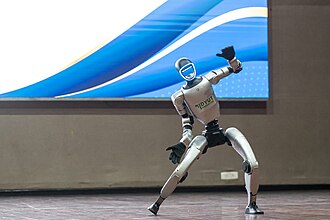
किसी AI agent को अगर आप कहें कि किसी research sample को microscope से देखो, जरूरी measurement लो और फिर robotic arm की मदद से अगला step पूरा करो, तो अभी यह काम केवल AI model को instructions देने भर से संभव नहीं हो जाता। बीच में एक बड़ी engineering problem आती है: AI software को physical machine की भाषा कैसे समझाई जाए?
यहीं से AI agents physical devices की नई दिशा शुरू होती है। 27 अगस्त 2026 को Anthropic ने Model Hardware Standard (MHS) का research preview पेश किया। इसका उद्देश्य AI agents और programmable physical equipment के बीच एक standardized communication layer बनाना है, ताकि AI microscopes, robotic arms, liquid handlers और lasers जैसे उपकरणों के साथ structured तरीके से interact कर सके। यह अभी research preview है, कोई mature universal standard नहीं।
इस बदलाव का महत्व सिर्फ robotics तक सीमित नहीं है। अगर AI reasoning और physical equipment के बीच reliable connection बनता है, तो laboratory automation, scientific research, advanced manufacturing और दूसरे complex workflows में machines को instructions देने का तरीका बदल सकता है।
AI agents physical devices क्या होते हैं?
AI agent ऐसा AI system है जो केवल सवाल का जवाब देने के बजाय किसी लक्ष्य को पूरा करने के लिए कई steps plan और execute कर सकता है। Digital environment में इसका मतलब file पढ़ना, information ढूंढना, code चलाना या किसी software tool का इस्तेमाल करना हो सकता है।
लेकिन physical world में एक अतिरिक्त layer जुड़ जाती है। Agent को किसी machine की capabilities समझनी होती हैं, सही command बनानी होती है, device से response लेना होता है और फिर उस information के आधार पर अगला action चुनना होता है।
उदाहरण के लिए अगर laboratory में liquid handler मौजूद है, तो AI को केवल “sample तैयार करो” कहना पर्याप्त नहीं होगा। उसे उपलब्ध device के functions, required parameters, safety constraints और workflow की स्थिति के अनुसार machine को structured instructions देनी होंगी।
AI और Robot के बीच सबसे बड़ी समस्या क्या है?
AI model और physical machine एक ही भाषा नहीं बोलते। एक language model text और structured information के साथ reasoning कर सकता है, जबकि robotic arm position, speed, force और movement commands के साथ काम करता है। Microscope image और measurement data देता है, जबकि liquid handler अलग तरह के commands स्वीकार करता है।
अगर हर hardware manufacturer अपने अलग interface और command system का इस्तेमाल करे, तो AI developers को प्रत्येक device के लिए अलग integration बनानी पड़ेगी। इससे AI agent को एक laboratory से दूसरी laboratory या एक machine से दूसरी machine पर ले जाना मुश्किल हो जाता है।
Model Hardware Standard जैसी approach इसी fragmentation को कम करने की कोशिश करती है। इसका विचार broadly यह है कि physical equipment अपनी capabilities को AI-readable तरीके से expose करे और agent standardized interface के जरिए उन्हें access कर सके।
Model Hardware Standard क्या है?
Model Hardware Standard, या MHS, Anthropic द्वारा प्रस्तुत एक research-preview framework है जिसका लक्ष्य AI models और programmable hardware के बीच communication को standardized बनाना है। Anthropic के अनुसार इसका उपयोग microscopes, robotic arms, liquid handlers और lasers जैसे उपकरणों के साथ किया जा सकता है।
इसे किसी एक robot का operating system समझना सही नहीं होगा। यह ज्यादा करीब उस common interface की अवधारणा है जो AI software को अलग-अलग physical devices की capabilities और controls तक पहुंचने में मदद कर सकती है।
Framework network-based communication का इस्तेमाल करता है, जिससे AI agent और connected hardware के बीच information exchange किया जा सके। इसका मतलब यह है कि AI model को hardware के internal electronics को सीधे control करने की जरूरत नहीं पड़ती; वह standardized software interface के माध्यम से device के उपलब्ध operations का इस्तेमाल कर सकता है।
AI robotic arm को instructions कैसे देगा?
एक सरल scenario लें। मान लीजिए robotic arm को किसी sample container को एक स्थान से दूसरे स्थान पर ले जाना है। Traditional automation में engineer पहले से movement sequence और control parameters define कर सकता है। AI agent वाले system में workflow ज्यादा dynamic हो सकता है।
- Goal: Agent को बताया जाता है कि sample को निर्धारित location तक पहुंचाना है।
- Device discovery: Agent available robotic arm और उसकी supported capabilities को identify करता है।
- Planning: AI उपलब्ध information के आधार पर action sequence तैयार करता है।
- Command: Standardized interface के जरिए machine को structured instruction भेजी जाती है।
- Feedback: Device अपनी स्थिति या operation result वापस भेजता है।
- Next action: Agent feedback देखकर workflow का अगला step तय कर सकता है।
इस architecture में AI सीधे motor को “सोचकर” control नहीं कर रहा होता। AI और hardware के बीच software interface, device controller और safety mechanisms मौजूद रहते हैं। यही distinction इस technology को समझने के लिए महत्वपूर्ण है।
Microscope को AI Agent कैसे इस्तेमाल कर सकता है?
Microscope robotics से अलग तरह का device है। यहां physical movement के साथ image acquisition और scientific interpretation महत्वपूर्ण होती है।
एक automated workflow में AI agent किसी sample को examine करने के लिए microscope से image capture करने का request कर सकता है। Image मिलने के बाद AI computer-vision model से उसमें relevant features खोज सकता है और result के आधार पर अगला measurement या experiment चुन सकता है।
इस तरह workflow कुछ ऐसा हो सकता है: observe → analyse → decide → operate → observe again। यही loop autonomous scientific experimentation की दिशा में महत्वपूर्ण हो सकता है।
हालांकि यह कहना जल्दबाजी होगी कि कोई general-purpose AI agent बिना human supervision के complex scientific experiments reliably कर सकता है। MHS अभी research preview है और physical laboratory में safety तथा validation की समस्याएं अलग स्तर की होती हैं।
AI Agent और Physical AI में क्या संबंध है?
Physical AI broadly ऐसे AI systems को कहा जा सकता है जो physical environment को sense करके उसमें action लेते हैं। Humanoid robots, autonomous vehicles और industrial robots इसके उदाहरण हो सकते हैं।
AI agents इस architecture में higher-level reasoning और task orchestration की भूमिका निभा सकते हैं। वहीं sensors environment से information देते हैं और actuators physical action execute करते हैं। इनके बीच communication layer hardware को AI system से जोड़ती है।
इसलिए physical AI को केवल “AI वाला robot” कहना अधूरा है। इसमें perception, reasoning, planning, control और physical hardware का पूरा stack शामिल होता है। AI agent इस stack के ऊपर task-level intelligence जोड़ सकता है।
क्या AI खुद Scientific Experiment कर सकता है?
तकनीकी रूप से AI किसी experiment के कई steps को automate करने में मदद कर सकता है, लेकिन “AI खुद scientist बन गया” कहना अभी सही नहीं होगा। Scientific experiment में hypothesis, experimental design, controls, safety, interpretation और validation जैसे कई स्तर होते हैं।
AI agent का practical role पहले उन workflows में मजबूत हो सकता है जहां equipment programmable है और experiment के steps स्पष्ट रूप से defined हैं। उदाहरण के लिए sample preparation, repeated measurements, image analysis और predefined testing sequences जैसी activities automation के लिए उपयुक्त हो सकती हैं।
Anthropic का MHS इसी तरह hardware और AI software के बीच integration को आसान बनाने की दिशा में research है। इसका उद्देश्य यह नहीं है कि AI को बिना restrictions के laboratory equipment की पूरी स्वतंत्रता दे दी जाए।
Safety यहां सबसे बड़ी चुनौती क्यों है?
Digital software में गलत command से किसी file या process को नुकसान हो सकता है। Physical laboratory या industrial environment में गलत command का असर कहीं ज्यादा गंभीर हो सकता है। कोई robotic arm गलत direction में move कर सकता है, laser गलत target पर activate हो सकता है या liquid-handling system गलत quantity dispense कर सकता है।
इसलिए AI controlled robots के लिए केवल intelligent model पर्याप्त नहीं होगा। System को permissions, device constraints, authentication, emergency shutdown, human approval और independent safety controls जैसी layers की जरूरत पड़ सकती है।
यह भी महत्वपूर्ण है कि language model का output probabilistic हो सकता है, जबकि physical machine को precise और deterministic commands चाहिए। दोनों के बीच safety boundary बनाना इस technology की core engineering challenge है।
Hardware Standard से क्या बदलेगा?
अगर अलग-अलग machines standardized interface के जरिए AI agents को अपनी capabilities उपलब्ध करा सकें, तो developers को हर device के लिए पूरी तरह नया integration बनाने की जरूरत कम हो सकती है।
मान लीजिए किसी research lab में microscope, robotic arm और liquid handler अलग-अलग manufacturers के हैं। एक standardized communication layer होने पर AI agent theoretically इन devices को एक combined workflow के हिस्से के रूप में coordinate कर सकता है।
यहीं से laboratory automation का अगला चरण दिखाई देता है। Automation केवल fixed sequence चलाने तक सीमित रहने के बजाय condition-based workflows की ओर बढ़ सकती है, जहां एक machine से मिली information अगली machine के action को trigger करे।
Manufacturing में इसका इस्तेमाल कहां हो सकता है?
Physical AI agents का उपयोग laboratory के बाहर manufacturing में भी संभावित है। Production environment में inspection systems, robotic arms, testing equipment और machine tools पहले से connected हो सकते हैं। AI agent इन systems से data लेकर workflow के अगले step को coordinate करने में मदद कर सकता है।
उदाहरण के लिए quality-control camera किसी component में anomaly detect करे तो AI agent inspection equipment से अतिरिक्त measurement लेने और फिर robotic system को component अलग करने का instruction देने जैसी sequence coordinate कर सकता है।
लेकिन ऐसे applications में safety, reliability और certification requirements बहुत महत्वपूर्ण होंगी। Research prototype और production-grade industrial automation के बीच बड़ा engineering gap होता है।
क्या यह Humanoid Robots जैसी Technology से अलग है?
हां। Humanoid robot मुख्य रूप से physical form और manipulation capabilities से जुड़ा hardware platform है। दूसरी तरफ MHS जैसी technology का focus AI software को programmable physical devices के साथ communicate कराने पर है।
इसलिए एक AI agent को humanoid body की आवश्यकता जरूरी नहीं है। वह laboratory robotic arm, microscope या दूसरे fixed equipment के साथ भी काम कर सकता है। भविष्य में यही agent अलग-अलग physical systems को coordinate करने वाला software layer बन सकता है।
Technology की अभी क्या स्थिति है?
अगस्त 2026 में यह क्षेत्र तेजी से विकसित हो रहा है, लेकिन अभी शुरुआती stage में है। Anthropic का Model Hardware Standard research preview के रूप में पेश किया गया है। कंपनी ने इसे safety evaluation के बाद open-source करने की योजना बताई है। इसका अर्थ है कि इसे अभी established industry-wide standard मानना उचित नहीं होगा।
अभी सबसे बड़ा सवाल यह है कि क्या ऐसे interfaces अलग-अलग hardware ecosystems में वास्तव में reliable और interoperable तरीके से काम कर पाएंगे। केवल API standard बना देना पर्याप्त नहीं है; device semantics, safety constraints, timing, authentication और real-world failure handling भी define करनी पड़ती है।
सबसे बड़ी चुनौती: AI की गलती और मशीन की प्रतिक्रिया
Language model किसी instruction को गलत interpret कर सकता है। Physical machine उस interpretation को वास्तविक action में बदल सकती है। इसलिए AI agent architecture में “सोचने” और “करने” के बीच एक strong verification layer की जरूरत होगी।
उदाहरण के लिए agent किसी robotic arm को movement command देने से पहले यह verify कर सकता है कि target position valid है, arm की operating boundary के भीतर है और आसपास कोई restricted object नहीं है। ऐसे checks AI model से अलग deterministic software layer में रखना ज्यादा सुरक्षित हो सकता है।
यही कारण है कि future physical AI systems केवल बड़े AI models की competition नहीं होंगे। उनकी reliability पूरे system architecture पर निर्भर करेगी।
भारत के लिए यह Technology क्यों महत्वपूर्ण हो सकती है?
भारत में scientific laboratories, semiconductor research, biotechnology, pharmaceuticals और advanced manufacturing जैसे क्षेत्रों में automation की जरूरत बढ़ रही है। अगर AI agents अलग-अलग laboratory और industrial equipment के साथ standardized तरीके से काम कर सकें, तो complex workflows को automate करने के नए रास्ते खुल सकते हैं।
खासकर research laboratories में repetitive measurement और sample-handling जैसे कामों को software-driven workflows से जोड़ना researchers का समय बचा सकता है। लेकिन भारतीय context में भी equipment interoperability, data security, regulatory compliance और safety validation जैसी समस्याओं को हल करना जरूरी होगा।
क्या AI Agents सच में Physical World में कदम रख रहे हैं?
हां, लेकिन इसे एक gradual transition के रूप में देखना बेहतर है। पहले AI ने text और information पर काम किया। फिर tools और software applications तक उसकी पहुंच बढ़ी। अब अगली layer physical equipment है, जहां AI software real-world machines से interact कर सकता है।
इस बदलाव का सबसे महत्वपूर्ण हिस्सा कोई एक robot या एक AI model नहीं, बल्कि इनके बीच बनने वाला infrastructure है। अगर AI agents को standardized और सुरक्षित तरीके से machines की capabilities समझने और commands देने का तरीका मिल जाता है, तो एक ही reasoning system अलग-अलग physical workflows में इस्तेमाल हो सकता है।
Anthropic का Model Hardware Standard इसी समस्या को address करने वाला शुरुआती प्रयास है। यह अभी final industry standard नहीं है, लेकिन यह दिखाता है कि AI agent development अब केवल software interfaces तक सीमित नहीं रहना चाहता।
अंतिम बात
AI agents physical devices की दिशा AI को screen के बाहर ले जाने की कोशिश है। इसका लक्ष्य किसी language model को सीधे motor या laboratory instrument से जोड़ देना नहीं, बल्कि AI reasoning और physical hardware के बीच एक reliable communication layer बनाना है।
Model Hardware Standard इसी विचार का एक शुरुआती उदाहरण है। Microscopes, robotic arms, liquid handlers और lasers जैसे programmable devices को standardized interface के जरिए AI workflows में शामिल करने की कोशिश future laboratory automation और physical AI के लिए महत्वपूर्ण हो सकती है।
फिर भी technology अभी development stage में है। Safety, reliability, interoperability और human oversight के सवाल हल किए बिना AI agents को unrestricted physical control देना practical नहीं होगा। अगर ये challenges सफलतापूर्वक हल होते हैं, तो आने वाले वर्षों में AI केवल यह नहीं बताएगा कि कोई काम कैसे करना है—वह connected machines के साथ मिलकर उस काम के कई physical steps को execute भी कर सकेगा।
FAQ
AI Agent physical machine को कैसे control करता है?
AI agent आमतौर पर standardized software interface या API के जरिए device की capabilities को access करता है। Agent task plan करता है, structured command भेजता है और device से मिले feedback के आधार पर अगला action चुन सकता है।
Model Hardware Standard क्या है?
Model Hardware Standard (MHS) Anthropic का research-preview framework है जिसका उद्देश्य AI agents और programmable physical devices के बीच standardized communication उपलब्ध कराना है।
क्या AI खुद laboratory experiment कर सकता है?
AI कई predefined experimental steps को automate और coordinate कर सकता है, लेकिन पूरी तरह autonomous scientific experimentation अभी व्यापक रूप से solved problem नहीं है। Safety, validation और experimental reliability महत्वपूर्ण सीमाएं हैं।
AI robotic arm को instructions कैसे देता है?
AI agent robotic arm की उपलब्ध capabilities और constraints को software interface के माध्यम से access कर सकता है और उसके controller को structured commands भेज सकता है। वास्तविक physical movement device controller और safety systems द्वारा execute किया जाता है।
AI software और physical hardware को standard interface की जरूरत क्यों है?
क्योंकि अलग-अलग machines अलग command systems इस्तेमाल करती हैं। Common interface developers को हर hardware device के लिए पूरी तरह अलग integration बनाने की जरूरत कम कर सकता है और एक AI workflow को कई compatible devices के साथ जोड़ना आसान बना सकता है।