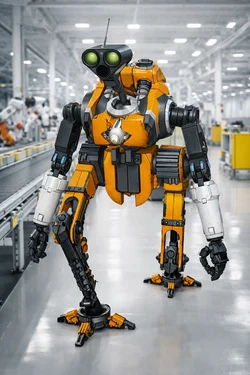
कल्पना कीजिए कि किसी factory में robot को नया काम देना है। पुराने robotic systems में इसके लिए engineers को नए task के लिए motion sequences, object positions, safety rules और control logic तैयार करना पड़ सकता है। अगर factory का product या workflow बदल जाए, तो robot को फिर से program और train करना पड़ सकता है।
अब robotics में एक अलग approach सामने आ रही है: robot को हर नए task के लिए अलग से model retrain करने के बजाय उसे एक video demonstration दिखाया जाए और वह उसी context से काम को समझकर execute करने की कोशिश करे।
इसी दिशा में Skild AI का S1 robot foundation model एक महत्वपूर्ण current example है। Skild AI के अनुसार S1 को इस तरह बनाया गया है कि वह video demonstration को context के रूप में लेकर ऐसे tasks भी execute कर सके जिन्हें उसने training में नहीं देखा। इसके लिए model weights को task-specific तरीके से update करने या हर नए task पर post-training करने की जरूरत नहीं बताई गई है। इसे in-context learning कहा जाता है।
Physical AI robots क्या हैं?
सामान्य AI text, images या digital data के साथ काम कर सकता है। लेकिन Physical AI उस intelligence को physical world में ले जाता है, जहां AI को sensors से दुनिया को perceive करना, situation को समझना और motors या actuators के जरिए action लेना पड़ता है।
एक physical AI robot केवल predefined instructions execute करने वाली machine नहीं होना चाहिए। उसका लक्ष्य बदलते environment को समझना, objects के साथ interaction करना और उपलब्ध information के आधार पर action चुनना है।
इसी कारण robot foundation models को robotics का एक महत्वपूर्ण अगला layer माना जा रहा है। ये models अलग-अलग tasks, environments और robot interactions से सीखकर एक general-purpose capability बनाने की कोशिश करते हैं।
Traditional robot programming और नई approach में क्या फर्क है?
Traditional industrial robot को एक assembly line पर किसी specific task के लिए बहुत precise तरीके से program किया जा सकता है। अगर उसके सामने वही parts, वही positions और वही sequence रहे, तो वह बेहद reliable हो सकता है।
समस्या तब शुरू होती है जब environment बदलता है। Product का आकार बदल गया, object दूसरी जगह रख दिया गया या workflow में नया step जोड़ दिया गया तो robot के लिए पुराने instructions पर्याप्त नहीं हो सकते।
AI-based learning ने इस limitation को कम करने की कोशिश की है। Robot को demonstrations और data से behavior सीखाया जाता है। लेकिन यहां भी एक challenge रहा है: हर नया complex task अक्सर additional demonstrations और task-specific fine-tuning मांगता है।
Skild AI S1 का लक्ष्य इसी cycle को बदलना है। इसके model में task को video demonstration के जरिए context के रूप में दिया जाता है, जिसके आधार पर वही trained model नए task को execute करने की कोशिश करता है।
Robot एक Video देखकर नया काम कैसे सीखता है?
यहां “video देखकर सीखना” थोड़ा अलग अर्थ रखता है। Robot केवल video की frames को देखकर किसी human action की नकल नहीं करता। Foundation model को पहले बड़े और diverse robotics datasets पर train किया जाता है, ताकि वह demonstrations से task intent, objects, actions और progress के बीच संबंध सीख सके।
जब deployment के समय नया video demonstration context के रूप में दिया जाता है, तो model उस demonstration को अपने learned representations के साथ जोड़ता है। इसके बाद वह अपने robot body और current environment के हिसाब से actions generate करता है।
Skild AI के अनुसार S1 demonstration से task intent और functional relationships को infer करके अपने current scene तथा robot embodiment के अनुसार actions predict करता है।
इसे आसान भाषा में ऐसे समझ सकते हैं: पहले model को “कैसे सीखना है” सिखाया जाता है; deployment के समय video उसे “क्या करना है” बताता है।
In-context learning क्या होता है?
In-context learning का concept language models से काफी प्रसिद्ध हुआ है। इसमें model को किसी नए task के लिए अपने parameters दोबारा train करने की जरूरत नहीं होती। Prompt या examples context में दिए जाते हैं और model उसी context के आधार पर output generate करता है।
Robotics में यही idea ज्यादा कठिन हो जाता है क्योंकि output सिर्फ text नहीं, बल्कि physical actions होते हैं। Robot को video से यह समझना पड़ता है कि task क्या है, कौन-सी चीज किस role में है, action का sequence क्या है और physical environment में उस action को अपने available hardware से कैसे execute करना है।
S1 को इसी robotics version of in-context learning के लिए design किया गया है। Skild AI के अनुसार model एक demonstration के context से unseen task को execute कर सकता है, बिना model weights बदले।
क्या एक Video सच में Unseen Task सिखा सकता है?
S1 की reported demonstrations में ऐसे tasks शामिल हैं जो pre-training में मौजूद नहीं थे। Skild AI ने plant potting, pancake cooking, pour-over coffee making और kit assembly जैसे long-horizon tasks दिखाए, जिनमें एक demonstration के आधार पर कई मिनट तक चलने वाले manipulation sequences execute किए गए।
यहां “unseen” का मतलब यह नहीं है कि model ने दुनिया में किसी भी तरह की समान activity कभी नहीं देखी। Foundation model पहले से diverse robotics data पर trained है। नया हिस्सा specific task या उसके combination का हो सकता है। इसी pre-training knowledge और नए video context का combination model को unfamiliar task पर generalize करने में मदद करता है।
Long-horizon task इतना मुश्किल क्यों है?
एक छोटा robotic action जैसे object उठाना और उसे एक जगह रखना relatively simple हो सकता है। लेकिन अगर task दस मिनट तक चलता है और उसमें दर्जनों actions शामिल हैं, तो robot को केवल individual movements नहीं, बल्कि पूरे sequence की progress track करनी होती है।
उसे यह भी पता होना चाहिए कि कौन-सा step पूरा हो चुका है, अगला action क्या होना चाहिए और अगर बीच में कोई mistake हो जाए तो recovery कैसे करनी है।
S1 के reported tests में कुछ unseen tasks 10 मिनट तक चले और कई manipulation steps को एक ही visual demonstration से execute किया गया। Skild AI ने perturbations और mistake recovery के examples भी report किए हैं।
Robot video में आखिर क्या देखता है?
मानव के लिए किसी demonstration को देखकर task समझना स्वाभाविक लगता है। Robot foundation model के लिए यह एक complex multimodal problem है। Video में objects, movements, spatial relationships, timing और task progression जैसी कई pieces of information होती हैं।
Model को केवल “हाथ यहां गया” नहीं सीखना है। उसे यह infer करना होता है कि हाथ उस object तक क्यों गया, object के साथ क्या करना था और उस action का larger task में क्या role है।
Skild AI के S1 architecture का दावा इसी intent-to-action mapping पर आधारित है। Training में demonstrations को context बनाकर model को यह सीखने के लिए तैयार किया जाता है कि demonstration से appropriate robot actions कैसे निकाले जाएं।
क्या Robot अपने शरीर के हिसाब से Video को बदल सकता है?
यह robotics में एक महत्वपूर्ण समस्या है। Video में काम करने वाला इंसान और उसे execute करने वाला robot एक ही शरीर नहीं रखते। इंसान के दो हाथ, अलग joint structure और अलग reach हो सकती है, जबकि robot का hardware बिल्कुल अलग हो सकता है।
इसलिए robot को demonstration की exact movements copy करने के बजाय task के functional goal को समझना ज्यादा उपयोगी है। S1 की training approach में demonstrations अलग scenes, viewpoints और embodiments से आ सकती हैं। Model को demonstrator की intent और functional correspondences सीखने की जरूरत होती है।
यही capability भविष्य के general-purpose robots के लिए महत्वपूर्ण हो सकती है। Robot को हर physical body के लिए अलग task logic लिखने के बजाय एक common model task को अपने available embodiment में translate कर सके।
Synthetic Data और Simulation की क्या भूमिका है?
Robot foundation model को train करने के लिए real-world data बहुत valuable है, लेकिन उसे collect करना महंगा और धीमा हो सकता है। हर task को अलग-अलग robots से physically demonstrate करवाना आसान नहीं है।
इसलिए synthetic data और simulation महत्वपूर्ण tools बनते हैं। Computer-generated environments में robots, objects और tasks के बहुत से variations create किए जा सकते हैं। इससे training dataset को scale करने में मदद मिलती है।
Skild AI ने S1 के development में synthetic data generation, model training, simulation और real-world physical AI deployment के लिए NVIDIA infrastructure का उपयोग करने की जानकारी दी है।
लेकिन simulation अकेले पर्याप्त नहीं है। Real world में friction, lighting, object deformation, sensor noise और unexpected interactions जैसी चीजें simulation से अलग हो सकती हैं। इसलिए foundation model को real-world deployment data और physical testing से भी मजबूत करना जरूरी रहता है।
क्या एक Video हजारों training examples की जगह ले सकता है?
अभी इसे universal replacement कहना सही नहीं होगा, लेकिन S1 के reported results इस दिशा में interesting संकेत देते हैं। Skild AI ने unseen long-horizon tasks पर single-demonstration in-context learning की तुलना task-specific post-training से की। कंपनी के अनुसार एक demonstration की performance लगभग 380 post-training episodes के बराबर थी, हालांकि 2,000 post-training demonstrations के बाद specialist policy ने उससे बेहतर reported success rate हासिल किया।
इस comparison का मतलब यह नहीं कि हर robot task में एक video 380 demonstrations के बराबर होगा। यह S1 के reported experimental setup का result है। इसका broader lesson यह है कि sufficiently capable foundation model के लिए एक informative demonstration deployment adaptation का बहुत powerful source बन सकता है।
Manufacturing में इसका क्या फायदा होगा?
Factory floors हमेशा एक जैसे नहीं रहते। Products बदलते हैं, components के variants आते हैं और production lines को नए workflows के लिए adjust करना पड़ता है। Traditional automation में हर major change के साथ engineering effort बढ़ सकता है।
अगर robot foundation model नए task को demonstration से समझ सके, तो flexible manufacturing ज्यादा practical हो सकती है। उदाहरण के लिए किसी नए component को assembly line में शामिल करने पर operator एक successful demonstration record कर सकता है और robot उस context का इस्तेमाल task execute करने के लिए कर सकता है।
हालांकि industrial deployment में safety, repeatability और certification जैसे requirements के कारण human validation और controlled rollout जरूरी रहेंगे। एक research demonstration को सीधे production-grade autonomous system समझना सही नहीं होगा।
Warehouse robots के लिए यह technology क्यों महत्वपूर्ण है?
Warehouse में objects, packages और layouts लगातार बदल सकते हैं। एक fixed automation system को हर variation के लिए अलग programming की जरूरत पड़ सकती है।
Physical AI robot foundation model का लक्ष्य ऐसी flexibility बढ़ाना है जिसमें robot नए object configurations और task sequences को demonstrations से adapt कर सके। Skild AI ने अपने broader deployment work में warehouses और commercial robotics applications पर भी focus की जानकारी दी है।
इससे warehouse robot केवल “एक ही box को एक ही जगह रखने वाली machine” न रहकर बदलते workflows के लिए ज्यादा general-purpose system बन सकता है।
क्या Physical AI robots को programmer की जरूरत खत्म हो जाएगी?
नहीं। Programming का role जरूर बदल सकता है। Future robotics में हर movement manually program करने के बजाय engineers high-level behavior, safety constraints, model infrastructure, perception systems और evaluation frameworks पर ज्यादा काम कर सकते हैं।
Robot को video से task सीखने की capability मिल जाने के बाद भी उसे यह सुनिश्चित करने की जरूरत होगी कि action safe है, hardware limits के भीतर है और expected result reliably मिल रहा है। खासकर factory, warehouse या healthcare जैसे environments में unrestricted learning स्वीकार्य नहीं होगा।
इसलिए future model ज्यादा सही तरीके से “programmer-free robots” नहीं बल्कि “less task-specific programming वाले robots” हो सकते हैं।
क्या यह Physical AI को एक नई दिशा देता है?
हाँ। Physical AI की शुरुआती चर्चा अक्सर robot को देखना, समझना और action लेना सिखाने तक सीमित रहती थी। अब foundation-model approach एक और layer जोड़ रही है—robot को नए task को context से adapt करने की क्षमता।
इस trend का broader ecosystem भी तेजी से विकसित हो रहा है। 8 September 2026 को Arm ने Physical AI के लिए 80 से अधिक कंपनियों को जोड़ने वाले Arm Total Design initiative और एक Robotics Capability Framework की घोषणा की। Framework robotics systems को reactive systems से लेकर context-aware, cognitive और self-improving levels तक describe करने का प्रयास करता है।
इससे साफ है कि Physical AI अब केवल individual robot demos का विषय नहीं रहा। Hardware, compute, sensors, AI models, software और safety systems को एक साथ जोड़ने वाला पूरा technology stack विकसित हो रहा है।
क्या एक Video देखकर Robot हर काम सीख पाएगा?
अभी नहीं। एक video demonstration powerful context दे सकती है, लेकिन robot को task की physical feasibility, object properties, environment और safety constraints भी संभालने पड़ते हैं। अगर demonstration में कोई detail छिपी हो या deployment environment बहुत अलग हो, तो performance गिर सकती है।
Skild AI के reported S1 results promising हैं, लेकिन ये भी controlled research और company-reported demonstrations हैं। इन्हें हर तरह के robot और हर industrial task पर guaranteed capability नहीं माना जाना चाहिए।
Future में success का असली test यह होगा कि ऐसे models अलग-अलग robots, environments और long-duration workflows में कितनी reliably काम करते हैं और failures के समय कितनी सुरक्षित recovery कर पाते हैं।
भारत के लिए इसका क्या मतलब है?
भारत में manufacturing, logistics और industrial automation तेजी से expand हो रहे हैं। ऐसे environment में general-purpose robotics का महत्व बढ़ सकता है, खासकर वहां जहां products और workflows frequently बदलते हैं।
भारत के लिए opportunity केवल imported robot systems इस्तेमाल करने तक सीमित नहीं है। Robot foundation models, simulation, synthetic data, computer vision, edge computing, sensors और robot control software जैसे layers में research और engineering capabilities विकसित की जा सकती हैं।
इस दिशा में एक खास advantage यह हो सकता है कि India-specific manufacturing environments के लिए local data और task demonstrations तैयार किए जाएं। इससे global foundation models को भारतीय factories और warehouses की जरूरतों के लिए adapt करने की संभावना बढ़ सकती है।
आखिर में
Physical AI robots का अगला बड़ा बदलाव शायद यह नहीं होगा कि robot केवल ज्यादा intelligent हो जाए। असली बदलाव यह हो सकता है कि उसे हर नए काम के लिए फिर से पूरी तरह train और program न करना पड़े। Robot foundation model एक video demonstration को context की तरह इस्तेमाल करके task intent समझने और उसे अपने physical embodiment में execute करने की दिशा में बढ़ रहे हैं।
Skild AI का S1 इस approach का current example है, जिसमें company ने unseen और long-horizon tasks को single-video in-context learning से execute करने की demonstrations report की हैं। Model weights को हर नए task के लिए update किए बिना यह capability हासिल करने का प्रयास robotics को traditional task-specific training से एक अधिक general-purpose direction में ले जाता है।
फिर भी यह technology अभी शुरुआती deployment phase में है। Safety, reliability, hardware diversity और real-world generalization जैसी चुनौतियां बाकी हैं। लेकिन अगर foundation models video से task सीखने, physical world को समझने और अपने actions को सुरक्षित तरीके से adapt करने में लगातार बेहतर होते गए, तो future में robot को program करने का तरीका भी बदल सकता है—जहां engineer हर movement लिखने के बजाय robot को demonstration देगा और AI उस काम को सीखकर physical दुनिया में पूरा करने की कोशिश करेगा।