Factory में किसी machine के खराब होने का पता तब चले जब production रुक जाए, तो नुकसान पहले ही हो चुका होता है। लेकिन अगर वही machine अपने normal behaviour से थोड़ा अलग चलने लगे और system उस बदलाव को failure से पहले पहचान ले, तो maintenance का पूरा तरीका बदल सकता है। यही विचार Digital Twin और Physical AI manufacturing के मेल के पीछे है।
Digital Twin किसी physical machine, production line या पूरी factory का ऐसा digital model है जिसे वास्तविक दुनिया से मिलने वाले data के साथ लगातार update किया जा सकता है। इसमें sensors, cameras, industrial software और AI analytics जुड़ सकते हैं। GE के industrial examples में digital twins को machines और manufacturing processes की virtual representations के रूप में इस्तेमाल किया गया है, जिनसे performance analysis, simulation और predictive insights हासिल किए जा सकते हैं।
अब emerging Physical AI इस digital layer को एक और दिशा दे रहा है। AI केवल factory का data पढ़ने तक सीमित नहीं रहता, बल्कि robots, machines और production systems के behaviour को समझकर physical operations को optimize करने में मदद कर सकता है।
Digital Twin क्या होता है?
Digital Twin को आसान भाषा में किसी physical object या process की जिंदा digital representation समझ सकते हैं। यह सिर्फ CAD drawing या 3D model नहीं है। एक useful industrial twin में machine की structure, operating conditions, historical data, sensor readings और mathematical या machine-learning models भी शामिल हो सकते हैं।
मान लीजिए किसी factory में एक motor लगी है। उसके temperature, vibration, speed और power consumption के sensors लगातार readings भेजते हैं। Digital Twin इन readings को उस motor के expected behaviour के साथ compare कर सकता है। अगर temperature सामान्य सीमा से ऊपर जाने लगे या vibration का pattern बदल जाए, तो system abnormality को flag कर सकता है।
GE ने अपने digital-twin work में ऐसे models को physical machines के sensor data से लगातार update करने और machine health की prediction में इस्तेमाल करने का उदाहरण दिया है।
Factory की Digital Copy कैसे काम करती है?
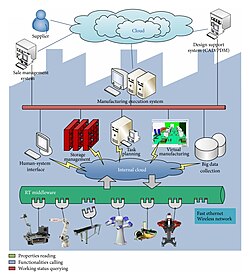
एक smart factory digital twin को चार basic layers में समझना आसान है।
- Physical layer: असली machines, robots, conveyors और production equipment काम करते हैं।
- Data layer: Sensors, cameras और industrial systems real-world measurements collect करते हैं।
- Digital model: Software इन measurements को factory या machine के digital representation से जोड़ता है।
- AI और simulation: Analytics और machine-learning models current स्थिति की तुलना expected behaviour से करते हैं और संभावित outcomes का अनुमान लगाने में मदद करते हैं।
इसका मतलब यह नहीं कि computer में factory की बिल्कुल identical दूसरी factory चल रही है। Digital Twin एक useful computational model होता है, जिसकी accuracy उसके data, physics models, assumptions और लगातार मिलने वाली information पर निर्भर करती है।
Digital Twin और सामान्य Simulation में क्या अंतर है?
Simulation अक्सर किसी system के possible behaviour को पहले से defined conditions पर model करती है। उदाहरण के लिए engineer यह देख सकता है कि production line की speed बदलने पर output कितना बदल सकता है।
Digital Twin में simulation के साथ वास्तविक system का ongoing data connection भी महत्वपूर्ण होता है। यानी model केवल hypothetical factory के बारे में नहीं सोच रहा; वह real factory से आने वाली information के आधार पर अपने analysis को update कर सकता है।
इसी वजह से industrial Digital Twin का उपयोग monitoring, diagnosis, predictive maintenance और optimization जैसे कामों में किया जा सकता है। GE के industrial software documentation में process Digital Twin को monitoring, prediction, simulation और optimization से जोड़ा गया है।
Physical AI इसमें क्या नया जोड़ता है?
Digital Twin factory की digital स्थिति और संभावित behaviour को समझने में मदद करता है। Physical AI इससे आगे जाकर physical environment में action लेने वाले AI systems की दिशा है।
उदाहरण के लिए एक factory में robotic arm किसी component को assemble कर रही है। Sensors बताते हैं कि assembly force सामान्य से अलग हो रही है। Camera component की position में मामूली deviation देखता है। Digital Twin इन signals को production model के साथ compare कर सकता है। AI system फिर यह analyse कर सकता है कि समस्या tool alignment, material variation या machine calibration से जुड़ी हो सकती है।
अगर system के पास सुरक्षित control capability भी हो, तो वह किसी predefined सीमा के भीतर machine settings बदलने या inspection process शुरू करने की recommendation दे सकता है। यहां Digital Twin analysis और simulation layer देता है, जबकि Physical AI real-world action और adaptation की दिशा में काम करता है।
AI Factory की Problem पहले कैसे पहचान सकता है?
किसी machine का failure अक्सर अचानक दिखाई देने वाली घटना नहीं होता। उससे पहले कई छोटे संकेत बदल सकते हैं। Temperature थोड़ा बढ़ सकता है, vibration pattern बदल सकता है, power consumption सामान्य से अलग हो सकता है या production cycle में धीरे-धीरे variation आ सकता है।
AI इन signals को एक साथ analyse कर सकता है। केवल एक sensor की threshold देखने के बजाय machine-learning model कई variables के relationship को सीख सकता है। Digital Twin उस analysis को expected operating behaviour के साथ compare करने में मदद कर सकता है।
GE ने industrial digital-twin systems में early warning, predictive analytics और failure से पहले संभावित problems पहचानने की दिशा में ऐसे applications का वर्णन किया है।
इसे predictive maintenance कहा जा सकता है। इसका उद्देश्य machine को failure के बाद ठीक करने के बजाय उसके खराब होने की संभावना बढ़ने से पहले maintenance decision लेने में मदद करना है।
क्या Digital Twin सिर्फ Machine की खराबी पकड़ता है?
नहीं। Factory-level Digital Twin का scope किसी एक motor या robot से काफी बड़ा हो सकता है। पूरी production line के cycle times, material flow, inventory, machine capacity और quality data को भी digital model में शामिल किया जा सकता है।
इससे एक factory manager केवल यह नहीं देख सकता कि कोई machine चल रही है या नहीं, बल्कि यह भी analyse कर सकता है कि production में bottleneck कहां बन रहा है। GE के एक manufacturing example में digital twins का इस्तेमाल inventory, factory capacity, product cycle time और delivery performance जैसे factors को समझने के लिए किया गया था।
Real Factory और Digital Twin के बीच Data कैसे जाता है?
यह connection आमतौर पर sensors और industrial software systems से बनता है। Machine controllers, cameras, IoT devices और production systems अलग-अलग प्रकार का data generate कर सकते हैं। यह data edge computing या अन्य industrial data infrastructure के जरिए analytics platform तक पहुंच सकता है।
इसके बाद Digital Twin उस information को अपने model के साथ जोड़ता है। अगर किसी process का actual output उसके expected output से अलग दिखाई देता है, तो system deviation को identify कर सकता है।
इस architecture का एक महत्वपूर्ण हिस्सा real-time data है। अगर factory की digital representation घंटों पुरानी information पर चल रही है, तो वह live operational decisions के लिए उतनी उपयोगी नहीं होगी। इसलिए modern industrial systems में data latency, reliability और synchronization महत्वपूर्ण engineering problems हैं।
Computer Vision इसमें क्या करता है?
हर manufacturing problem sensors से नहीं दिखाई देती। कुछ defects visual होते हैं। Camera surface scratches, incorrect assembly, component position या production quality में बदलाव पहचानने में मदद कर सकता है।
Computer Vision models इन images को analyse करके ऐसे patterns detect कर सकते हैं जिन्हें human inspection में miss किया जा सकता है। GE ने manufacturing और 3D-printing applications में computer vision तथा machine learning को production monitoring और early defect detection के साथ जोड़ा है।
जब camera data Digital Twin में शामिल होता है, तो factory का digital model केवल machines के numerical data तक सीमित नहीं रहता। उसमें production process की visual information भी शामिल हो सकती है।
एक Smart Factory में पूरा System कैसे जुड़ सकता है?
कल्पना करें कि एक production line में robotic arms components assemble कर रहे हैं। Camera हर assembly की position देख रहा है, vibration sensors machines की health monitor कर रहे हैं और energy meters power consumption record कर रहे हैं।
इन सभी signals को Digital Twin में feed किया जाता है। AI models देखते हैं कि current production behaviour normal pattern से कितना अलग है। अगर किसी machine का vibration धीरे-धीरे बढ़ रहा है, तो system उसके historical behaviour से तुलना कर सकता है। अगर उसी समय production cycle भी धीमी हो रही है, तो दोनों signals को एक साथ देखकर root cause की खोज की जा सकती है।
इसके बाद factory software maintenance team को alert दे सकता है या किसी controlled workflow में inspection शुरू कर सकता है। भविष्य के अधिक autonomous systems में AI और robotics के बीच connection मजबूत होने पर कुछ corrective actions भी automated हो सकते हैं, लेकिन safety-critical operations में human oversight की आवश्यकता बनी रह सकती है।
Digital Twin और Physical AI में क्या संबंध है?
दोनों technologies को एक-दूसरे का replacement नहीं समझना चाहिए। Digital Twin मुख्य रूप से physical system का digital representation, monitoring और simulation layer देता है। Physical AI physical environment को perceive करके action लेने वाली intelligence को दर्शाता है।
जब दोनों साथ आते हैं, तो एक interesting loop बन सकता है:
- Factory sensors और cameras से real-world data collect होता है।
- Digital Twin उस data से current factory state का model बनाता है।
- AI abnormal behaviour या संभावित outcomes analyse करता है।
- Simulation अलग-अलग corrective options को virtual environment में evaluate कर सकती है।
- Suitable action को human approval या predefined safety rules के तहत physical system तक भेजा जा सकता है।
- Action के बाद मिले नए data से model फिर update होता है।
इसी feedback loop को future AI-powered manufacturing की महत्वपूर्ण दिशा माना जा सकता है।
क्या AI Factory की हर Problem खुद ठीक कर पाएगा?
अभी नहीं। Digital Twin और AI की prediction accuracy data quality और model quality पर निर्भर करती है। अगर sensor खराब है, data incomplete है या model ने किसी unusual situation को कभी देखा ही नहीं, तो prediction गलत हो सकती है।
इसके अलावा किसी problem का कारण पहचानना और उसे safely ठीक करना दो अलग समस्याएं हैं। AI यह predict कर सकता है कि किसी motor में abnormal behaviour है, लेकिन उसके replacement या production line shutdown का निर्णय operational constraints और safety rules पर निर्भर करेगा।
Physical AI के साथ एक और challenge जुड़ता है: गलत AI decision का असर physical equipment पर हो सकता है। इसलिए autonomous control के लिए verification, fail-safe mechanisms और human supervision महत्वपूर्ण रहेंगे।
इस Technology की सबसे बड़ी चुनौतियां
Data Quality
Digital Twin जितना अच्छा data पाएगा, उसका model उतना ही useful हो सकता है। Missing या inaccurate sensor data पूरी analysis को प्रभावित कर सकता है।
Real-Time Computing
Factory में हर decision cloud तक भेजना practical नहीं होता। कुछ monitoring और control tasks के लिए edge computing की जरूरत पड़ सकती है, ताकि data को machine के पास ही तेजी से process किया जा सके।
Model Accuracy
Factory का behaviour complex होता है। Material variation, operator actions, environmental conditions और machine ageing जैसी चीजें model को प्रभावित कर सकती हैं। इसलिए Digital Twin को लगातार validate और update करना पड़ता है।
Cybersecurity
अगर factory का digital model physical machines से connected है, तो cybersecurity केवल data privacy का विषय नहीं रहता। Unauthorized access से production systems पर वास्तविक physical impact पड़ सकता है। इसलिए authentication, network segmentation और secure industrial protocols महत्वपूर्ण होंगे।
Cost और Integration
पुरानी factories में sensors, cameras, controllers और software systems अलग-अलग generations के हो सकते हैं। इन्हें एक unified Digital Twin architecture में जोड़ना महंगा और technically difficult हो सकता है।
भारत में Smart Factory के लिए इसका क्या मतलब है?
भारत में manufacturing का scale बहुत बड़ा है और automotive, electronics, pharmaceuticals, chemicals तथा heavy industry जैसे sectors में automation तेजी से बढ़ रहा है। ऐसे environment में Digital Twin का उपयोग केवल futuristic concept नहीं, बल्कि production optimization और equipment monitoring के practical tool के रूप में विकसित हो सकता है।
खासकर semiconductor और advanced electronics manufacturing में process conditions पर लगातार नजर रखना महत्वपूर्ण होता है। यहां small deviations भी yield और product quality को प्रभावित कर सकते हैं। Digital models, sensors और AI analytics ऐसे complex production processes को monitor करने में मदद कर सकते हैं।
हालांकि भारत में बड़े पैमाने पर Physical AI factories बनने के लिए industrial connectivity, skilled workforce, cybersecurity और high-quality data infrastructure जैसी foundations को भी मजबूत करना होगा।
क्या Future Factory खुद अपनी Digital Copy से सीख सकती है?
यही इस technology का सबसे interesting हिस्सा है। अगर Digital Twin केवल factory को दिखाने वाला dashboard न रहकर simulation और learning system बन जाए, तो factory में कोई बदलाव करने से पहले उसके संभावित परिणाम digital environment में evaluate किए जा सकते हैं।
उदाहरण के लिए production line की speed बढ़ाने पर energy consumption, machine load और product quality पर क्या असर पड़ेगा, इसका अनुमान simulation से लगाया जा सकता है। इसी तरह maintenance schedule बदलने या किसी machine की operating parameters adjust करने से पहले संभावित outcomes compare किए जा सकते हैं।
GE ने digital-twin applications में “what-if” scenarios और virtual models के जरिए physical operations को optimize करने की क्षमता का वर्णन किया है।
अगर future में यही simulation AI agents और Physical AI systems से जुड़ती है, तो factory का digital model केवल देखने का माध्यम नहीं बल्कि decision-support और controlled automation का हिस्सा बन सकता है।
अगला कदम: Factory जो सिर्फ Automated नहीं, Adaptive हो
Traditional automation में machine को पहले से तय instructions दिए जाते हैं। अगर conditions बदल जाएं, तो engineer को program या parameters बदलने पड़ सकते हैं। Smart manufacturing की अगली दिशा अधिक adaptive systems बनाने की है।
Digital Twin factory की current स्थिति और possible future behaviour को समझने में मदद करता है। AI patterns और anomalies analyse कर सकता है। Physical AI robots और machines को changing conditions के अनुसार action लेने की क्षमता दे सकता है।
इन तीनों को जोड़ने पर manufacturing system ऐसा बन सकता है जो देखे, समझे, simulate करे और फिर नियंत्रित तरीके से प्रतिक्रिया दे। यह पूरी तरह autonomous factory की guarantee नहीं है, लेकिन fixed automation से ज्यादा flexible manufacturing architecture की दिशा जरूर है।
निष्कर्ष
Digital Twin और Physical AI manufacturing का महत्व किसी futuristic 3D factory model में नहीं, बल्कि real और digital दुनिया के बीच लगातार बनने वाले feedback loop में है। Sensors और cameras factory से data लेते हैं, Digital Twin उस information को process और simulation के लिए digital representation में बदलता है, जबकि AI abnormal behaviour, संभावित failures और optimization opportunities पहचानने में मदद कर सकता है।
Physical AI इस system को अगली दिशा देता है, जहां AI केवल production data को analyse नहीं करता बल्कि robots और machines के साथ physical environment में action लेने की क्षमता भी हासिल कर सकता है। GE के industrial examples पहले से दिखाते हैं कि digital twins monitoring, prediction, simulation और process optimization जैसे कामों में उपयोगी हो सकते हैं।
फिर भी “factory खुद समस्या ठीक कर लेगी” वाली स्थिति अभी future possibility है, established reality नहीं। Data quality, model accuracy, cybersecurity, integration cost और physical safety जैसी चुनौतियां काफी बड़ी हैं। लेकिन manufacturing का direction स्पष्ट है: आने वाली smart factory केवल machines को automate करने पर निर्भर नहीं होगी। उसकी digital copy, AI और physical machines एक साथ काम करके production को पहले से ज्यादा predictive, adaptive और data-driven बनाने की कोशिश करेंगे।