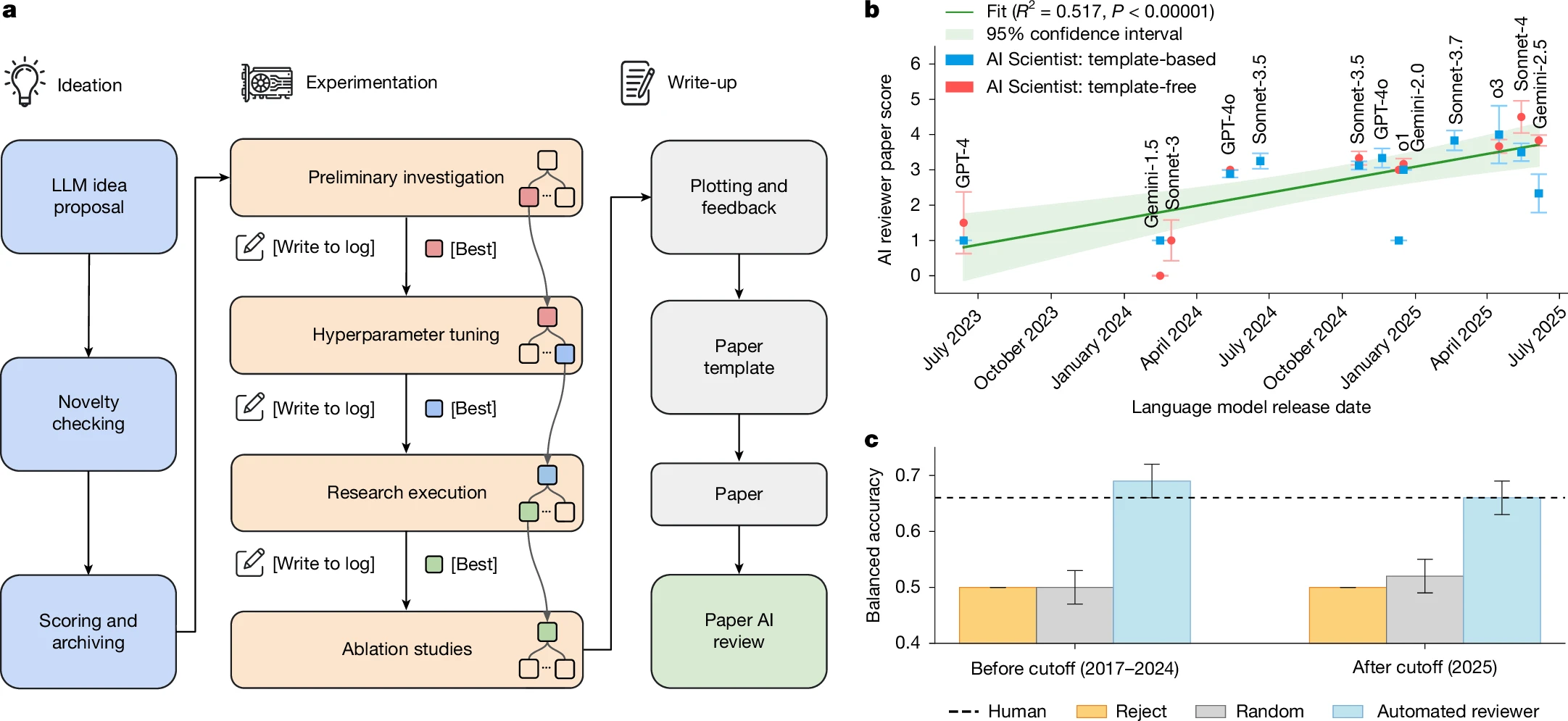
वैज्ञानिक प्रयोग आमतौर पर एक सवाल से शुरू होता है—लेकिन उसके बाद असली चुनौती यह तय करना होती है कि उस सवाल का जवाब पाने के लिए experiment बनाया कैसे जाए। कौन-से उपकरण इस्तेमाल हों, उनका arrangement कैसा हो, कौन-से parameters बदलें और measurement को सबसे sensitive कैसे बनाया जाए—इन सवालों के जवाब कई बार हजारों या लाखों संभावित combinations में छिपे होते हैं।
अब artificial intelligence इस design process में एक नया role ले रहा है। 2 September 2026 को Nature में प्रकाशित एक review ने दिखाया कि AI-driven methods physics experiments में केवल कुछ parameters को tune करने से आगे बढ़कर पूरी तरह नए experimental layouts खोजने की दिशा में जा रहे हैं। कुछ AI-generated configurations traditional human-designed arrangements से अलग हो सकते हैं और realistic conditions में performance भी बेहतर दे सकते हैं।
इसका मतलब यह नहीं है कि AI ने अकेले कोई नया fundamental law खोज लिया है। असली बदलाव यह है कि scientific experiment को design करने की विशाल search space में AI को एक powerful exploration tool के रूप में इस्तेमाल किया जा सकता है।
AI physics experiment कैसे design करता है?
एक physics experiment को केवल उपकरणों की सूची समझना सही नहीं होगा। यह एक पूरा system होता है जिसमें hardware, geometry, parameters, sensors, measurement method और scientific objective एक-दूसरे से जुड़े होते हैं।
मान लीजिए किसी experiment का लक्ष्य किसी signal को अधिक sensitivity के साथ detect करना है। इसके लिए कई चीजें बदली जा सकती हैं—detectors की position, optical components का arrangement, material, geometry, operating parameters या measurement strategy। अगर possibilities बहुत ज्यादा हों, तो इंसान हर combination को manually test नहीं कर सकता।
AI यहां optimization problem की तरह काम कर सकता है। उसे एक search space दिया जाता है, जिसमें संभावित experimental designs मौजूद होते हैं। फिर एक simulator या computational model यह अनुमान लगाने में मदद करता है कि किसी design का performance कैसा होगा। AI अच्छे परिणाम देने वाले designs की दिशा में search को आगे बढ़ाता है।
इस प्रक्रिया को मोटे तौर पर design → simulation → evaluation → improvement के loop के रूप में समझा जा सकता है।
यह सामान्य AI optimization से कैसे अलग है?
AI से किसी existing experiment का temperature, laser power या detector setting optimize करना अपेक्षाकृत सीमित problem हो सकती है। इसे parameter tuning कहा जा सकता है।
नई approach इससे कहीं आगे जाती है। यहां AI को केवल यह नहीं बताया जाता कि existing setup में कौन-सा number बेहतर है, बल्कि उसे संभावित hardware configurations के बड़े space में नए arrangements तलाशने दिए जा सकते हैं। Nature review इसी बदलाव को parameter tuning से de novo experimental design की दिशा में बढ़ना बताता है।
यानी सवाल केवल यह नहीं रहता कि “इस experiment को थोड़ा बेहतर कैसे बनाएं?” बल्कि यह भी हो सकता है कि “इसी scientific objective को पूरा करने के लिए कोई बिल्कुल अलग experimental architecture हो सकता है?”
AI को experiment का लक्ष्य कैसे समझ आता है?
AI को केवल “एक अच्छा experiment बनाओ” कह देना पर्याप्त नहीं है। Scientific objective को ऐसी mathematical या computational form में बदलना पड़ता है जिसे algorithm evaluate कर सके। इसे objective function के जरिए व्यक्त किया जा सकता है।
उदाहरण के लिए objective यह हो सकता है कि detector की sensitivity अधिकतम हो, noise कम हो, measurement uncertainty घटे या किसी particular signal को detect करने की क्षमता बढ़े। इसके साथ practical constraints भी लगाए जा सकते हैं—जैसे hardware limits, उपलब्ध components, physical dimensions, stability या cost-related restrictions।
इस तरह AI को एक ऐसा optimization problem मिलता है जिसमें उसे performance और practicality दोनों के बीच रास्ता खोजना होता है। Nature review में experimental design के लिए search spaces, fast simulators, computable objectives और AI-based exploration को चार प्रमुख engineering challenges के रूप में व्यवस्थित किया गया है।
Simulator इतना महत्वपूर्ण क्यों है?
अगर AI हजारों या लाखों experimental designs आजमाए, तो हर design को laboratory में physically बनाना संभव नहीं होगा। यहीं physics simulator काम आता है।
Simulator किसी proposed design के behavior का computational approximation देता है। AI कई candidate designs generate कर सकता है और simulator यह estimate कर सकता है कि उनमें से कौन बेहतर performance दे सकता है। इसके बाद promising designs को अगले search cycle में रखा जा सकता है।
इसका फायदा यह है कि laboratory में महंगे hardware को बार-बार rebuild करने के बजाय computational search पहले ही बहुत सारे विकल्पों को छांट सकती है। लेकिन simulator की accuracy महत्वपूर्ण है। अगर simulation और वास्तविक physics के बीच बड़ा अंतर हो, तो computer पर शानदार दिखने वाला design laboratory में काम नहीं कर सकता।
AI कभी-कभी इंसान से अलग design क्यों बनाता है?
मानव वैज्ञानिक अक्सर अपने अनुभव और established design principles के आधार पर experiment बनाते हैं। यह approach बेहद शक्तिशाली है, लेकिन इसमें एक natural bias भी हो सकता है—हम आमतौर पर उन्हीं configurations के आसपास search करते हैं जो हमें समझ में आती हैं।
AI को अगर sufficiently broad search space दिया जाए, तो वह ऐसे combinations explore कर सकता है जो human intuition से तुरंत obvious नहीं होते। Nature review में बताया गया है कि AI-driven experimental designs established conventions को challenge कर सकते हैं और कुछ परिस्थितियों में human-designed setups के बराबर या उनसे बेहतर performance दे सकते हैं।
यही इस technology का सबसे दिलचस्प हिस्सा है। AI का फायदा केवल calculation speed नहीं, बल्कि ऐसी design possibilities explore करना भी हो सकता है जिन्हें इंसान सामान्यतः consider नहीं करता।
क्या AI पहले भी physics experiments खोज चुका है?
AI-assisted experiment design अचानक 2026 में शुरू नहीं हुआ। इसके शुरुआती उदाहरण quantum physics में कई साल पहले सामने आ चुके थे। Nature review के references में 2016 का Melvin framework शामिल है, जिसने photonic quantum-information experiments के लिए automated search की थी और उसके द्वारा सुझाए गए कुछ configurations बाद में laboratories में realize किए गए।
इसके बाद quantum optics, detector design, microscopy, particle physics और gravitational-wave detection जैसे क्षेत्रों में AI-driven optimization और automated design के अलग-अलग approaches विकसित हुए हैं।
उदाहरण के लिए 2025 के एक cited study में AI-driven exploration ने interferometric gravitational-wave detectors के लिए नए topologies खोजे, जिनमें realistic conditions के तहत next-generation human designs की तुलना में बेहतर performance वाले configurations भी सामने आए।
Gravitational waves से लेकर quantum physics तक इसका उपयोग
Physics experiment design की यह technology किसी एक laboratory तक सीमित नहीं है। अलग-अलग research areas में इसकी जरूरत अलग रूप में दिखाई देती है।
- Quantum physics: AI complex quantum-optical experiments और circuit configurations खोजने में मदद कर सकता है।
- Gravitational-wave detection: detector topology और sensitivity को optimize करने के लिए computational search इस्तेमाल हो सकती है।
- Particle physics: detectors और experimental instruments की geometry तथा performance optimization में AI उपयोगी हो सकता है।
- Optics और microscopy: lenses, optical components और imaging configurations के नए arrangements खोजे जा सकते हैं।
- Fusion research: plasma-control और magnetic configurations जैसे complex optimization problems में machine learning approaches पहले से research का हिस्सा हैं।
Nature review में quantum experiments, particle detectors, gravitational-wave observatories, microscopy और fusion से जुड़े कई उदाहरण और methods को एक broader AI-driven experimental-design framework में रखा गया है।
AI scientific discovery कैसे कर सकता है?
यहां “scientific discovery” शब्द को थोड़ा सावधानी से समझना जरूरी है। AI किसी experiment का design खोज सकता है, लेकिन किसी design का अच्छा computational score अपने आप नई scientific discovery नहीं बन जाता।
पहले AI को एक promising configuration मिल सकता है। फिर scientists उसे simulation से verify कर सकते हैं, practical constraints जांच सकते हैं और अंत में laboratory में build करके measurement कर सकते हैं। अगर real experiment expected result देता है और उससे नया physical understanding मिलता है, तभी scientific knowledge में वास्तविक योगदान जुड़ता है।
इसलिए AI को अभी एक automated scientific reasoning and design assistant की तरह देखना ज्यादा उचित है, न कि पूरी तरह स्वतंत्र scientist की तरह।
AI-designed experiment की सबसे बड़ी समस्या क्या है?
एक powerful algorithm बहुत complicated design खोज सकता है, लेकिन scientist के लिए यह समझना कठिन हो सकता है कि वह design काम क्यों करता है। Scientific research में केवल अच्छा result पर्याप्त नहीं होता; researchers को underlying mechanism और physical principle भी समझना होता है।
यह interpretability की समस्या है। Nature review भी computational tractability, experimental feasibility, interpretability और reliability के बीच trade-offs पर जोर देता है।
अगर AI किसी ऐसी configuration तक पहुंचता है जिसे इंसान समझ नहीं पा रहा, तो उसे laboratory में implement करना, verify करना और उससे general scientific principle निकालना चुनौतीपूर्ण हो सकता है। इसलिए future AI-for-science systems में सिर्फ बेहतर optimization नहीं, बल्कि बेहतर explanation भी महत्वपूर्ण होगी।
क्या AI scientists की जगह ले सकता है?
अभी उपलब्ध research को देखते हुए इसका सीधा जवाब नहीं है। AI experiment design के कुछ हिस्सों को automate कर सकता है, लेकिन scientific research में problem selection, meaningful questions, theoretical interpretation, experimental validation और परिणामों का broader scientific context अभी भी महत्वपूर्ण human roles हैं।
बल्कि अधिक realistic भविष्य ऐसा हो सकता है जिसमें scientist scientific objective और constraints define करे, AI विशाल design space explore करे, simulator संभावित outcomes evaluate करे और फिर scientist सबसे promising designs को laboratory में test करे।
इस model में AI researcher की जगह लेने के बजाय उसकी search क्षमता को कई गुना बढ़ा सकता है।
Automated science का अगला कदम क्या हो सकता है?
अगर AI-designed experiments को automated laboratory systems के साथ जोड़ा जाए, तो scientific workflow और ज्यादा autonomous हो सकता है। एक future system में AI संभावित hypothesis या objective के आधार पर experiment design करे, simulator से candidate designs test करे, robotic laboratory selected setup तैयार करे, sensors measurements collect करें और परिणाम वापस AI system तक पहुंचें।
इसके बाद नया data अगले experimental design cycle में इस्तेमाल हो सकता है। इस तरह hypothesis → design → experiment → measurement → learning का closed loop बनाया जा सकता है।
लेकिन ऐसा system बनाने के लिए AI के साथ robotics, laboratory automation, reliable instrumentation, safety systems और scientific validation—all जरूरी होंगे।
भारत के लिए इसका क्या महत्व है?
AI-for-science का महत्व भारत जैसे देश के लिए केवल AI software development तक सीमित नहीं है। Physics research में advanced computing, simulation, instrumentation और automated experimentation को जोड़ने से complex research problems पर काम करने की क्षमता बढ़ सकती है।
Quantum technology, photonics, astronomy, particle physics, materials research और fusion जैसे क्षेत्रों में experiment design की computational optimization उपयोगी हो सकती है। भारत में जैसे-जैसे research laboratories और advanced scientific-computing infrastructure विकसित होंगे, AI-assisted experimental design भी एक संभावित research tool बन सकता है।
क्या AI सच में नई physics खोज सकता है?
संभावना है, लेकिन रास्ता “AI ने एक button दबाया और नया physics law खोज लिया” जैसा नहीं होगा। AI की सबसे बड़ी ताकत उन विशाल possibilities को search करना हो सकती है जिन्हें human researchers manually explore नहीं कर सकते।
अगर किसी unconventional experimental design से ऐसा measurement संभव होता है जो पहले practical नहीं था, और उस measurement से कोई नया physical phenomenon या previously unknown relationship सामने आता है, तो AI उस discovery pipeline का महत्वपूर्ण हिस्सा बन सकता है।
Nature review का broader message भी यही है कि AI-designed experiments future में ऐसे experimental concepts खोजने में मदद कर सकते हैं जो human intuition से difficult हों।
अंतिम बात
AI physics experiments का अगला चरण केवल पुराने experiments को optimize करना नहीं है। AI अब संभावित hardware configurations और experimental layouts की बहुत बड़ी search space को explore करने की दिशा में बढ़ रहा है। इसके लिए search-space engineering, fast physics simulation, objective functions और intelligent optimization algorithms एक साथ काम करते हैं।
सबसे महत्वपूर्ण बात यह है कि AI अभी scientist का पूर्ण replacement नहीं है। असली laboratory validation, physical interpretation और scientific meaning निकालने की जिम्मेदारी अभी भी researchers की है। लेकिन अगर AI ऐसे experiment designs खोजने लगे जिन्हें इंसान आसानी से imagine नहीं कर पाता, तो scientific discovery की प्रक्रिया जरूर बदल सकती है। भविष्य की laboratory में scientist अकेले experiment design नहीं करेगा—वह AI के साथ मिलकर उन possibilities को तलाश सकता है जिन्हें manually खोजना लगभग असंभव होता।