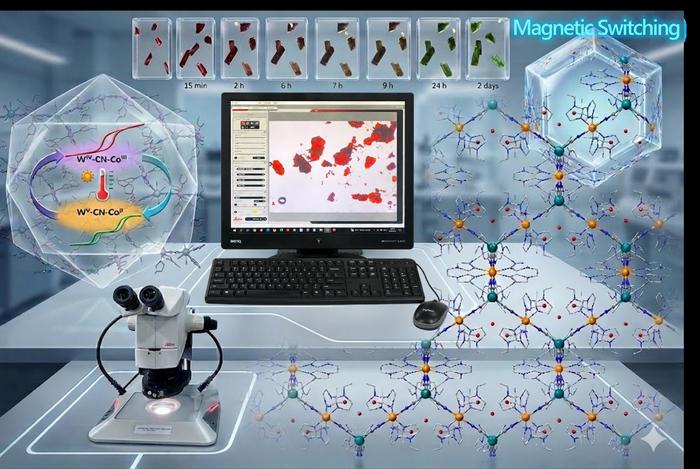
किसी material को अगर सिर्फ देखकर हम यह न बता पाएं कि वह किस अवस्था में है, लेकिन रोशनी डालते ही उसका व्यवहार बदल जाए, तापमान बढ़ाने पर वह दूसरी magnetic state में चला जाए और फिर conditions बदलने पर वापस लौट आए—तो यह किसी science-fiction device जैसा लग सकता है। लेकिन भारतीय वैज्ञानिक ऐसी materials को laboratory में विकसित कर रहे हैं।
भारतीय विज्ञान संस्थान यानी IISc Bengaluru के Solid State and Structural Chemistry Unit में Prof. Abhishek Mondal और उनकी टीम ने ऐसे porous molecular frameworks तैयार किए हैं जो बाहरी stimulus के जवाब में अपनी magnetic state को reversible तरीके से बदल सकते हैं। इन materials में light, heat, mechanical pressure और कुछ guest molecules के प्रभाव से molecular spin states बदल सकती हैं। IISc ने जून 2026 में इस research को smart molecules for sensors and processors के रूप में प्रकाशित किया था।
इस खोज की दिलचस्पी केवल chemistry तक सीमित नहीं है। ऐसी materials भविष्य में highly sensitive sensors, information storage और quantum technologies के लिए building blocks की भूमिका निभा सकती हैं। हालांकि अभी यह technology research stage पर है और इसे commercial processor या quantum computer component समझना सही नहीं होगा।
Smart molecule आखिर होता क्या है?
Smart material वह material है जिसकी कोई physical property बाहरी परिस्थितियों के बदलने पर बदल सकती है। उदाहरण के लिए तापमान, प्रकाश, दबाव या electric field में बदलाव material की संरचना या उसके electrical, optical अथवा magnetic behaviour को प्रभावित कर सकता है।
IISc की research में जिस property पर ध्यान दिया गया है, वह magnetic state है। इसके पीछे molecules में मौजूद metal atoms और उनके electronic spin states की भूमिका है। कुछ molecular complexes में metal atom की spin configuration बदलने पर material की magnetic behaviour भी बदल सकती है।
इसे एक microscopic switch की तरह समझ सकते हैं। सामान्य electronic switch में voltage देने पर state बदलती है। यहां molecular structure को इस तरह design किया गया है कि light, heat, pressure या दूसरे molecules की मौजूदगी जैसे stimulus से magnetic state बदली जा सके। महत्वपूर्ण बात यह है कि बदलाव reversible हो सकता है—यानी उचित conditions में material अपनी पिछली state में लौट सकता है।
IISc की टीम ने किस तरह की material बनाई?
शोधकर्ताओं ने highly porous crystals और metal-organic molecular frameworks पर काम किया। इन frameworks में metal atoms और organic molecules मिलकर एक व्यवस्थित structure बनाते हैं। इनके भीतर microscopic pores होते हैं, जिनमें gas या liquid molecules प्रवेश कर सकते हैं।
यही porous structure sensing के लिए उपयोगी हो सकती है। अगर कोई खास molecule material के pores के अंदर प्रवेश करता है और molecular framework की geometry को थोड़ा बदल देता है, तो उस बदलाव का असर material के magnetic behaviour पर पड़ सकता है।
समस्या यह थी कि पुराने porous materials में यह response अक्सर स्थानीय स्तर तक सीमित रह जाता था। एक atom की movement आसपास के कुछ atoms तक असर डालती थी, लेकिन पूरा crystal एक साथ state change नहीं करता था। IISc की टीम ने इसी limitation को material की elasticity को बदलकर address करने की कोशिश की।
पूरा material एक साथ कैसे switch करता है?
इस research का सबसे रोचक हिस्सा cooperative behaviour है। इसे domino effect की तरह समझा जा सकता है। एक domino गिरता है तो उसके बाद दूसरा, फिर तीसरा और अंत में पूरी row गिर जाती है। यहां domino की जगह molecular units हैं।
जब framework का एक molecular unit अपनी spin state बदलता है, तो उससे जुड़ा structural change आसपास के units तक mechanical interaction के जरिए पहुंच सकता है। अगर material की elastic structure इस interaction को पर्याप्त दूरी तक transmit करे, तो अलग-अलग molecules का response आपस में जुड़ जाता है। परिणाम यह हो सकता है कि microscopic बदलाव पूरे crystal में एक collective transition पैदा करे।
IISc की टीम ने ऐसी elastic molecular framework design की जिसमें individual spin-state changes neighbouring units तक propagate कर सकें। इससे material में reversible cooperative magnetic switching प्राप्त हुई।
Gas sensor में यह idea कैसे काम आ सकता है?
मान लीजिए किसी industrial plant में methane, carbon monoxide या carbon dioxide जैसी gas को detect करना है। एक conventional sensor gas के साथ interaction होने पर electrical resistance, optical signal या किसी दूसरी measurable property को बदल सकता है।
IISc की porous molecular material में एक अलग रास्ता दिखाई देता है। Target gas pores के अंदर जाती है, molecular framework के साथ interaction करती है और उसकी structure तथा spin state को प्रभावित कर सकती है। यदि यह बदलाव magnetic state में साफ और reversible transition पैदा करे, तो उस transition को sensor signal के रूप में पढ़ा जा सकता है।
Researchers अब ऐसे smart gas-capture sensors विकसित करने की दिशा में काम कर रहे हैं जो industrially important gases को selectively capture और detect कर सकें। यह अभी proposed और developing application है, तैयार commercial sensor नहीं।
Room temperature पर काम करना इतना महत्वपूर्ण क्यों है?
इस research की एक बड़ी उपलब्धि temperature range से जुड़ी है। कई molecular magnetic materials बहुत कम तापमान पर ही अपना desired switching behaviour दिखाती हैं। ऐसी स्थिति में practical device बनाने के लिए expensive cooling system की जरूरत पड़ सकती है।
IISc की टीम ने दूसरी study में एक 2D hexagonal framework तैयार किया जिसने light, heat और solvent के प्रभाव से magnetic transitions को ambient-temperature के करीब ला दिया। Researchers के अनुसार, transformed complex में लगभग 240 K (-33°C) और 310 K (37°C) के आसपास दो transitions देखे गए। लगभग 37°C वाला transition खास तौर पर महत्वपूर्ण है क्योंकि यह सामान्य room-temperature environment के काफी करीब है।
यहां “room temperature material” का अर्थ यह नहीं है कि material हर परिस्थिति में बिल्कुल सामान्य कमरे के तापमान पर समान performance देगा। अलग device design और operating environment में temperature window महत्वपूर्ण होगी। लेकिन अत्यधिक cryogenic cooling से बाहर switching behaviour लाना practical applications की दिशा में बड़ा कदम है।
रंग बदलना भी क्यों महत्वपूर्ण है?
दूसरी material में magnetic transition के साथ colour change भी देखा गया। इसका फायदा यह है कि material के state change को केवल sophisticated instrument से नहीं, बल्कि optical observation से भी track किया जा सकता है।
यह feature sensing applications के लिए उपयोगी हो सकता है। कल्पना करें कि किसी chemical या gas के संपर्क में आने पर material का molecular state बदलता है और उसके साथ उसका colour भी बदल जाता है। ऐसी स्थिति में colour एक direct visual indicator बन सकता है।
हालांकि वास्तविक sensor में केवल colour change पर्याप्त नहीं होगा। Selectivity, response time, repeatability और interference from other molecules जैसे factors भी महत्वपूर्ण होंगे। इसलिए laboratory demonstration और practical sensor के बीच अभी काफी engineering work बाकी है।
Data storage में इसका क्या संबंध है?
Digital information आखिरकार अलग-अलग states में represent की जाती है। Traditional electronics में transistor के voltage states और magnetic storage में magnetic states का इस्तेमाल किया जाता है। यदि किसी material की magnetic state को controlled तरीके से बदला और पढ़ा जा सके, तो वह information storage architecture का हिस्सा बन सकती है।
IISc की smart molecular materials में दो या अधिक distinguishable states को stimulus के जरिए नियंत्रित करने की क्षमता इसी वजह से दिलचस्प है। एक molecular system को एक tiny switch की तरह इस्तेमाल करने का विचार future high-density storage technologies के लिए research interest पैदा करता है।
लेकिन यहां भी एक जरूरी distinction है: IISc की current research ने कोई commercial molecular hard drive या memory chip नहीं बनाई है। यह fundamental materials research है, जो भविष्य की device technologies के लिए material-level possibilities दिखाती है।
Quantum technology के लिए यह क्यों दिलचस्प है?
Quantum technologies में matter की microscopic states को नियंत्रित करना बहुत महत्वपूर्ण होता है। IISc की research सीधे कोई practical quantum computer बनाने का दावा नहीं करती, लेकिन reversible spin-state switching जैसी phenomena quantum information और advanced sensing के लिए उपयोगी concepts से जुड़ती हैं।
इन molecular systems में external stimulus के जरिए magnetic और electronic states को नियंत्रित किया जा सकता है। इससे researchers को यह समझने का अवसर मिलता है कि molecular scale पर information-like states को कैसे manipulate किया जा सकता है। IISc ने इन materials को future quantum technologies के संभावित building blocks में शामिल किया है।
भविष्य के quantum device के लिए किसी material का केवल state बदलना पर्याप्त नहीं है। उसे stability, coherence, controllability, readout और device integration जैसी कई कठोर requirements पूरी करनी होंगी। इसलिए current work को quantum computer technology की बजाय quantum-relevant materials research के रूप में देखना ज्यादा उचित है।
इस innovation में porous structure की असली ताकत क्या है?
Porosity यहां केवल material को हल्का बनाने के लिए नहीं है। छोटे pores molecular guests को अंदर आने की जगह देते हैं। यानी framework अपने आसपास के chemical environment को “महसूस” कर सकता है।
अगर किसी specific gas molecule की मौजूदगी framework में structural बदलाव पैदा करती है और वह बदलाव magnetic response में बदल जाता है, तो material एक तरह का molecular transducer बन सकता है—chemical information को magnetic signal में बदलने वाला material।
यही concept future multifunctional devices के लिए दिलचस्प है, जहां एक ही material sensing, switching और memory जैसी भूमिकाएं निभा सके। IISc के researchers ने भी ऐसे multifunctional applications की संभावना पर जोर दिया है।
अभी यह technology कितनी तैयार है?
यह distinction सबसे जरूरी है। Research ने नए molecular frameworks और reversible switching behaviour को laboratory studies में demonstrate किया है। लेकिन commercial sensor, processor या data-storage product के रूप में यह technology अभी उपलब्ध नहीं है।
अगले चरणों में researchers को material synthesis को scale करना, repeatable manufacturing process बनाना, लंबे समय तक stability जांचना और real-world environments में sensor performance मापना होगा। Industrial gas sensing के लिए selectivity भी बेहद महत्वपूर्ण होगी, क्योंकि किसी factory environment में target gas अकेली मौजूद नहीं होती।
इसी तरह processor या memory application के लिए material को किसी actual device architecture के साथ integrate करना होगा। Molecular switching का laboratory demonstration और mass-produced chip के बीच fabrication, addressing, signal readout और reliability की कई चुनौतियां होती हैं।
दोनों IISc studies में क्या खास है?
पहली study में researchers ने porous 3D framework में elastic behaviour का इस्तेमाल करके cooperative magnetic switching हासिल की। दूसरी study में 2D hexagonal framework के जरिए switching temperature को ambient conditions के करीब लाने की कोशिश की गई। दोनों studies को 2026 में international journals Angewandte Chemie International Edition और Small में प्रकाशित किया गया।
इन दोनों कामों को जोड़कर देखें तो research की दिशा साफ दिखाई देती है: material ऐसा हो जो stimulus को पहचान सके, उस stimulus को molecular-level structural change में बदले और फिर उस change को measurable magnetic या optical signal में translate कर सके। यही chain भविष्य के smart sensors और adaptive devices की बुनियाद बन सकती है।
भारत के लिए इसका महत्व
भारत में semiconductor और deep-tech ecosystem तेजी से विकसित हो रहा है। लेकिन advanced electronics की पूरी value chain केवल silicon chips बनाने से नहीं बनेगी। नए sensors, memory materials, photonic components, quantum materials और low-energy computing architectures के लिए नए materials भी जरूरी होंगे।
IISc की यह research उसी deeper materials layer पर काम करती है। यदि ऐसे molecular materials भविष्य में reliable devices में बदले जा सकें, तो भारत के लिए high-value materials science और deep-tech manufacturing में नए अवसर बन सकते हैं।
फिलहाल इसका महत्व commercial scale से ज्यादा scientific capability में है। भारत में researchers ऐसे materials design कर रहे हैं जिनकी properties को atomic और molecular level पर नियंत्रित किया जा सके। यही क्षमता भविष्य के कई technology platforms में काम आ सकती है।
सबसे बड़ी चुनौतियां क्या हैं?
पहली चुनौती stability है। Laboratory में material का switching behaviour नियंत्रित conditions में अच्छा दिख सकता है, लेकिन industrial environment में humidity, impurities और repeated cycling performance को प्रभावित कर सकते हैं।
दूसरी चुनौती manufacturing है। किसी complex molecular framework को gram-scale पर बनाना और उसे billions of device elements के साथ reproducibly integrate करना अलग-अलग समस्याएं हैं।
तीसरी चुनौती speed और energy है। Future processor या memory application के लिए केवल reversible switching पर्याप्त नहीं है। Switching कितनी तेज है, उसे trigger करने में कितनी energy लगती है और कितनी बार बिना degradation के cycle किया जा सकता है—ये सवाल निर्णायक होंगे।
चौथी चुनौती selectivity है। यदि material को gas sensor बनाना है, तो उसे target gas और आसपास मौजूद दूसरे molecules के बीच स्पष्ट अंतर करना होगा।
आगे क्या हो सकता है?
अगला चरण laboratory chemistry को device engineering से जोड़ना होगा। Researchers smart molecular frameworks को ऐसे sensor architectures में integrate कर सकते हैं जहां magnetic या optical change को electronic signal में बदला जाए। इसी तरह अलग-अलग gases के लिए framework की pore chemistry को tune किया जा सकता है।
यदि room-temperature switching stable और repeatable साबित होती है, तो expensive cooling की जरूरत घटने की संभावना बन सकती है। लंबे समय में ऐसे materials low-energy sensing, adaptive memory और quantum-related devices के लिए research platforms बन सकते हैं। लेकिन इन संभावनाओं को commercial reality बनने में अभी कई research और engineering stages बाकी हैं।
कुल मिलाकर
IISc की smart molecular materials research का आकर्षण इस बात में है कि यहां material को निष्क्रिय पदार्थ की तरह नहीं, बल्कि बाहरी environment का जवाब देने वाली प्रणाली की तरह डिजाइन किया जा रहा है। Light, heat, pressure या guest molecules जैसे stimulus molecular structure में बदलाव पैदा कर सकते हैं और वही बदलाव magnetic state को switch कर सकता है।
सबसे महत्वपूर्ण उपलब्धियों में से एक ऐसी porous framework का development है जिसमें local molecular changes cooperative तरीके से पूरे material के magnetic behaviour को बदल सकते हैं। दूसरी ओर, ambient temperature के करीब switching हासिल करने वाली 2D framework future practical applications की दिशा में महत्वपूर्ण कदम है।
अभी इसे भविष्य का processor या quantum computer material कहना जल्दबाजी होगी। लेकिन sensing, information storage और advanced computing के लिए जिस तरह के छोटे, controllable और multifunctional materials की जरूरत पड़ सकती है, यह research उस दिशा में एक मजबूत fundamental foundation तैयार करती है।
FAQ
IISc की smart molecules research क्या है?
यह molecular materials पर आधारित research है जिसमें ऐसे porous frameworks विकसित किए गए हैं जिनकी magnetic state light, heat, pressure और guest molecules जैसे external stimuli के प्रभाव से reversible तरीके से बदल सकती है।
क्या ये smart molecules processor में इस्तेमाल हो रहे हैं?
अभी नहीं। Research fundamental materials stage पर है। Future processors और quantum technologies के लिए संभावित building blocks के रूप में इन materials का अध्ययन किया जा रहा है।
क्या ये materials room temperature पर काम कर सकते हैं?
IISc की दूसरी study में transformed 2D framework ने लगभग 240 K और 310 K के आसपास transitions दिखाए, जिनमें 310 K लगभग 37°C है। यह ambient-temperature operation की दिशा में महत्वपूर्ण परिणाम है।
इनका sensor में क्या उपयोग हो सकता है?
Porous framework में target gas या liquid molecules प्रवेश कर सकते हैं और framework की structure तथा magnetic state को प्रभावित कर सकते हैं। इस बदलाव को sensing signal में बदला जा सकता है। Researchers industrially important gases के लिए ऐसे sensors विकसित करने की दिशा में काम कर रहे हैं।
क्या यह technology silicon chips को replace कर देगी?
अभी ऐसा कहना संभव नहीं है। Current work नई molecular materials की properties demonstrate करता है। Silicon-based electronics को replace करने के लिए manufacturing, speed, reliability और device integration जैसी कई अतिरिक्त चुनौतियां हल करनी होंगी।