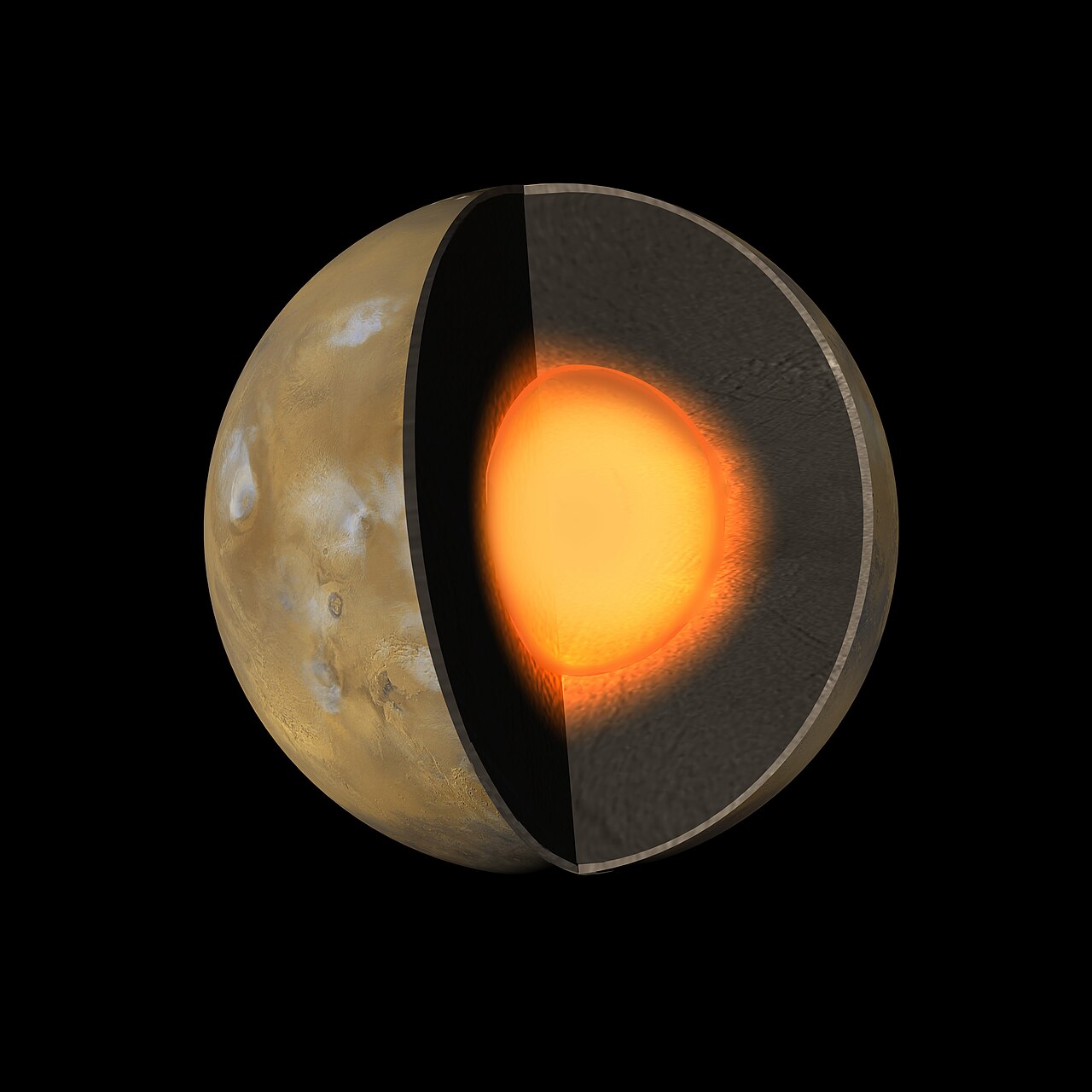
Mars को हम अक्सर एक ठंडे, सूखे और लगभग निष्क्रिय ग्रह के रूप में देखते हैं। उसकी लाल सतह, विशाल craters और धूल भरे मैदान इस तस्वीर को और मजबूत करते हैं। लेकिन Mars के अंदर की कहानी शायद इतनी शांत नहीं है। नई research में scientists को संकेत मिला है कि लाल ग्रह के southern highlands के नीचे आज भी mantle का एक बड़ा हिस्सा अपने northern counterpart से लगभग 200–400°C ज्यादा गर्म हो सकता है। यह सीधा thermometer से मापा गया तापमान नहीं है, बल्कि Mars के बदलते gravity response और उसके interior की physical properties से निकाला गया वैज्ञानिक अनुमान है।
इस खोज की खास बात सिर्फ इतनी नहीं कि Mars के अंदर गर्मी बची हुई है। असली दिलचस्प सवाल यह है कि scientists ने आखिर लाखों किलोमीटर दूर से किसी ग्रह के अंदर की temperature difference का अंदाजा लगाया कैसे? इसका जवाब tidal tomography नाम की technique में छिपा है, जिसमें किसी planetary body पर tidal forcing के कारण होने वाले छोटे बदलावों को देखकर उसके अंदर की structure के बारे में जानकारी निकाली जाती है।
Mars के अंदर 200–400°C ज्यादा गर्म होने का मतलब क्या है?
सबसे पहले एक जरूरी बात साफ कर लें। Research यह नहीं कहती कि Mars के अंदर कोई छोटा-सा हिस्सा बिल्कुल 400°C का है और scientists ने उसका तापमान सीधे माप लिया है। अध्ययन के model के अनुसार southern highlands के नीचे mantle में northern hemisphere की तुलना में लगभग 200–400°C का temperature difference मौजूद हो सकता है। यानी यहां “400°C” को एक inferred thermal anomaly के रूप में समझना चाहिए, न कि किसी underground thermometer की reading के रूप में।
यह difference इसलिए महत्वपूर्ण है क्योंकि Mars का interior अरबों वर्षों से धीरे-धीरे ठंडा हो रहा है। अगर आज भी उसके एक बड़े हिस्से में इतनी regional thermal contrast मौजूद है, तो इसका मतलब Mars के अंदर heat transfer और mantle dynamics की कहानी हमारी अपेक्षा से कहीं ज्यादा जटिल हो सकती है।
Scientists Mars के अंदर की गर्मी देखते कैसे हैं?
यहां gravity सबसे महत्वपूर्ण clue बनती है। Mars का gravitational field पूरी तरह स्थिर नहीं है। Sun के साथ उसकी orbital interaction और seasonal tidal forcing के कारण ग्रह के अंदर और बाहर का mass distribution बहुत छोटे स्तर पर response देता है। यह response Mars के gravity field में समय के साथ होने वाले बदलाव के रूप में दिखाई देता है।
इसे एक आसान analogy से समझें। अगर किसी गेंद को दबाया जाए तो उसका response इस बात पर निर्भर करेगा कि वह कितनी कठोर है। इसी तरह tidal forcing Mars के interior को बहुत हल्के तरीके से deform करती है। उस deformation का gravitational signature इस बात से प्रभावित होता है कि अंदर का material कितना rigid या compliant है।
Mars के mantle की effective shear modulus यानी deformation के खिलाफ उसकी resistance temperature से प्रभावित होती है। इसलिए gravity response में दिखाई देने वाले regional differences को interior temperature और composition के models से जोड़ा जा सकता है।
Tidal Tomography क्या होती है?
“Tomography” शब्द सुनते ही medical CT scan याद आ सकता है। वहां अलग-अलग angles से मिले signals को जोड़कर शरीर के अंदर की image बनाई जाती है। Planetary science में tidal tomography का विचार कुछ हद तक इसी तरह है, हालांकि यहां X-ray की जगह gravitational response और tidal forcing जैसे signals का इस्तेमाल होता है।
Mars पर Sun की tidal forcing seasonal pattern में बदलती है। Researchers ने देखा कि इस forcing के जवाब में Mars का time-variable gravity field एक perfectly spherical planet के अनुमान से काफी अलग व्यवहार करता है। Study में degree-3 gravity components के deviations कुछ मामलों में predictions से लगभग 300% तक अलग पाए गए।
इस signal को interior models के साथ compare करके researchers ने यह अनुमान लगाने की कोशिश की कि Mars के mantle की stiffness और temperature में बड़े-scale regional differences कहां मौजूद हो सकते हैं।
इस research में किन spacecraft का data इस्तेमाल हुआ?
Scientists को Mars के अंदर झांकने के लिए कोई नया spacecraft भेजने की जरूरत नहीं पड़ी। उन्होंने लगभग दो दशकों के spacecraft tracking data का उपयोग किया। इसमें Mars Global Surveyor, Mars Odyssey और Mars Reconnaissance Orbiter से मिले measurements शामिल थे।
इन spacecraft की Mars के आसपास की motion को बहुत सटीक तरीके से track किया गया। किसी spacecraft की orbit में बेहद छोटे बदलाव भी Mars के gravitational field के बारे में जानकारी दे सकते हैं। लंबे समय तक collected data को एक साथ analyse करने पर seasonal और time-variable signals को अलग करना संभव हुआ।
Mars का North और South इतना अलग क्यों है?
Mars की surface पर एक बहुत बड़ा geological contrast पहले से जाना जाता है, जिसे crustal dichotomy कहा जाता है। Northern hemisphere में अपेक्षाकृत low-lying plains हैं, जबकि southern hemisphere ज्यादा ऊंचा, rugged और heavily cratered है। Southern highlands की crust औसतन ज्यादा मोटी भी हो सकती है।
नई research में mantle की inferred stiffness variation का pattern इस surface dichotomy से काफी हद तक match करता है। Southern highlands के नीचे mantle अपेक्षाकृत कम rigid दिखाई देता है, जबकि northern lowlands के नीचे pattern उलटा है। Researchers के models में यही difference temperature anomaly से समझाया जा सकता है।
यानी Mars की surface पर दिखाई देने वाला बहुत पुराना North-South contrast शायद सिर्फ ऊपर की crust तक सीमित नहीं है। उसकी जड़ें ग्रह के गहरे interior तक जा सकती हैं।
Southern highlands के नीचे ज्यादा गर्मी क्यों हो सकती है?
Scientists ने इसके लिए एक से ज्यादा संभावनाएं रखी हैं। पहली संभावना regional mantle convection की है। अगर mantle के किसी बड़े region में material लंबे समय से ऊपर-नीचे circulate करता रहा हो, तो वह क्षेत्र अपेक्षाकृत ज्यादा गर्म रह सकता है।
दूसरी संभावना southern crust की ज्यादा मोटाई से जुड़ी है। मोटी crust interior से surface की ओर heat निकलने की प्रक्रिया को कुछ हद तक insulate कर सकती है। यानी ऊपर की चट्टान एक thermal blanket जैसा प्रभाव पैदा कर सकती है, जिससे नीचे का heat लंबे समय तक बचा रहे। Research के thermal models में southern highlands की thicker crust से 200°C से अधिक का hemispheric temperature contrast पैदा होने की संभावना compatible पाई गई।
यह भी संभव है कि Mars के interior की पुरानी geological history में कई processes ने मिलकर आज का pattern बनाया हो। इसलिए इसे किसी एक mechanism का अंतिम प्रमाण मानना अभी जल्दबाजी होगी।
क्या Mars के अंदर अभी भी mantle convection हो रही है?
यह research इस possibility को मजबूत करती है, लेकिन यह साबित नहीं करती कि Mars का mantle आज Earth की तरह बड़े पैमाने पर सक्रिय convection कर रहा है। Researchers ने regional thermal anomaly के लिए mantle convection को एक संभावित explanation माना है। दूसरी plausible explanation thermal insulation भी है।
यही distinction महत्वपूर्ण है। Science में किसी observation से compatible explanation और conclusively proven mechanism एक ही चीज नहीं होते। फिलहाल data यह बताता है कि Mars के mantle में hemispheric thermal difference का evidence model से निकलता है; उसके पीछे exact geodynamic history पर अभी research जारी रहेगी।
क्या Mars के अंदर magma भी हो सकता है?
संभावना को पूरी तरह खारिज नहीं किया गया है। ज्यादा गर्म mantle कुछ परिस्थितियों में partial melting को बढ़ावा दे सकता है। Study के models में southern highlands के नीचे localized melt pockets की possibility पर भी चर्चा की गई है। लेकिन thermal anomaly की व्याख्या के लिए melt का होना अनिवार्य नहीं है।
यह फर्क इसलिए महत्वपूर्ण है क्योंकि “Mars के अंदर 400°C ज्यादा गर्मी मिली” से सीधे “Mars के अंदर एक विशाल magma ocean है” जैसी conclusion निकालना गलत होगा। Research में inferred temperature difference mantle की thermal state से जुड़ा है, न कि किसी विशाल underground lake of lava की discovery से।
क्या यह Mars के पुराने volcanoes और magnetic field से जुड़ सकता है?
संभवतः इसका संबंध Mars के लंबे geological history से हो सकता है। Southern highlands में crustal magnetization ज्यादा मजबूत दिखाई देती है। Researchers ने एक possibility यह भी discuss की है कि ancient mantle upwelling और heat flow ने Mars के शुरुआती dynamo या crustal magnetization history को प्रभावित किया हो। Mars का ancient dynamo लगभग 4.5 से 4.1 billion years ago सक्रिय रहा माना जाता है।
लेकिन यहां भी सावधानी जरूरी है। नई study आज की thermal anomaly और ancient geological processes के बीच संभावित connection दिखाती है; यह किसी एक historical scenario को अंतिम रूप से साबित नहीं करती। Mars की early crust, mantle और dynamo के बीच संबंध अभी planetary science के बड़े unanswered questions में शामिल हैं।
अगर Mars अंदर से गर्म है तो surface पर ज्वालामुखी क्यों नहीं दिखते?
यह एक स्वाभाविक सवाल है। अगर southern mantle ज्यादा गर्म है, तो magma surface तक पहुंचना चाहिए—लेकिन Mars की हाल की volcanic activity मुख्य रूप से northern region के Cerberus Fossae से जुड़ी है।
Researchers इसके लिए कई संभावित explanations पर चर्चा करते हैं। Southern highlands की मोटी crust magma के ऊपर आने के रास्ते में बाधा डाल सकती है, जिससे melt crust के अंदर ही रुक जाए। दूसरी संभावना यह है कि magma को surface तक पहुंचने के लिए सही tectonic stress conditions की जरूरत होती है। Southern highlands में tectonic structures काफी हद तक compressional हैं, जबकि Cerberus Fossae में extension मौजूद है।
इसलिए ज्यादा गर्म mantle का मतलब यह जरूरी नहीं कि वहां आज सतह पर lava flows दिखाई दें। Planetary interior से surface volcanism तक पहुंचने के बीच कई geological filters काम करते हैं।
Mars के अंदर की जानकारी surface से इतनी महत्वपूर्ण क्यों है?
किसी planet की surface उसकी पूरी कहानी नहीं बताती। Mars के craters, mountains और plains हमें उसके इतिहास का हिस्सा दिखाते हैं, लेकिन interior में मौजूद heat और material movement यह समझने में मदद करते हैं कि वे surface features बने और लंबे समय तक कैसे टिके।
उदाहरण के लिए, अगर southern highlands के नीचे mantle लंबे समय से गर्म रहा है, तो यह crustal thickness, volcanism, magnetization और ancient geological activity के बारे में अलग-अलग observations को एक common framework में जोड़ सकता है।
यही planetary geophysics की ताकत है: surface पर अलग-अलग दिखाई देने वाले clues को gravity, seismic data और thermal models के साथ जोड़कर ग्रह के अंदर की कहानी बनाई जा सकती है।
क्या Mars के अंदर का temperature सीधे मापा गया है?
नहीं। यह इस research को समझने का सबसे जरूरी caveat है। Scientists ने Mars के southern mantle में thermometer डालकर 200–400°C का measurement नहीं लिया। यह temperature range gravity response, mantle की effective shear modulus और temperature-dependent material properties के models से infer की गई है।
इसीलिए इसे “thermal anomaly का संकेत” कहना ज्यादा सही है। Future measurements इस interpretation को मजबूत कर सकते हैं, बदल सकते हैं या इसके exact magnitude को refine कर सकते हैं।
आगे Mars की कौन-सी measurements इस mystery को सुलझा सकती हैं?
Researchers के अनुसार dedicated gravity missions इस तरह की interior mapping को और बेहतर कर सकती हैं। Earth पर GRACE और Moon पर GRAIL जैसी missions ने gravity measurements से planetary interiors और mass distribution को समझने की क्षमता दिखाई है। Mars पर भविष्य में dedicated gravity experiments ज्यादा छोटे और ज्यादा detailed interior variations को कम समय में resolve कर सकते हैं।
इसके अलावा electromagnetic sounding और बेहतर seismic observations भी यह पता लगाने में मदद कर सकते हैं कि thermal anomaly केवल गर्म solid mantle है या कहीं-कहीं isolated melt pockets भी मौजूद हैं।
क्या यह Mars के जीवन की खोज से भी जुड़ता है?
सीधे तौर पर यह study Mars पर जीवन मिलने का evidence नहीं है। लेकिन planetary habitability को समझने में interior heat महत्वपूर्ण हो सकती है। Interior heat geological activity, volcanism और subsurface environments को प्रभावित कर सकती है।
अगर Mars के कुछ हिस्सों में आज भी अपेक्षाकृत ज्यादा heat मौजूद है, तो इससे यह समझने में मदद मिल सकती है कि लाल ग्रह का geological evolution surface पर दिखाई देने वाली तस्वीर से कितना ज्यादा complex रहा है। हालांकि इससे वर्तमान या प्राचीन जीवन के बारे में कोई सीधा निष्कर्ष निकालना अभी संभव नहीं है।
अक्सर पूछे जाने वाले सवाल
Mars के अंदर कितना गर्म है?
नई study ने southern highlands के नीचे mantle में northern region की तुलना में लगभग 200–400°C की thermal anomaly का अनुमान लगाया है। यह direct temperature measurement नहीं, बल्कि gravity और interior models से निकला inference है।
Scientists ने Mars के अंदर की गर्मी कैसे पता की?
Researchers ने Mars Global Surveyor, Mars Odyssey और Mars Reconnaissance Orbiter के tracking data से time-variable gravity field का analysis किया। Tidal tomography के जरिए gravity response को mantle की physical properties और temperature models से जोड़ा गया।
Tidal tomography क्या है?
यह ऐसी technique है जिसमें किसी planetary body पर tidal forcing के कारण होने वाले समय-परिवर्तनशील response का इस्तेमाल उसके interior की structure और material properties का अनुमान लगाने के लिए किया जाता है।
Mars का southern हिस्सा ज्यादा गर्म क्यों हो सकता है?
दो प्रमुख possibilities regional mantle convection और southern highlands की मोटी crust से होने वाली thermal insulation हैं। संभव है कि Mars की geological history में एक से अधिक processes ने मिलकर यह anomaly बनाई हो।
क्या Mars के अंदर अभी भी volcanoes सक्रिय हैं?
नई research southern mantle में thermal anomaly की ओर संकेत करती है, लेकिन इससे यह साबित नहीं होता कि वहां surface पर active volcanism चल रहा है। Recent volcanic activity मुख्यतः northern Cerberus Fossae region से जुड़ी है।
क्या Mars के अंदर 400°C का lava मिला है?
नहीं। यह कहना गलत होगा। Study में 200–400°C का temperature difference mantle की thermal anomaly के रूप में infer किया गया है। इसे किसी underground lava chamber की direct discovery नहीं माना जाना चाहिए।
कुल मिलाकर
Mars बाहर से एक ठंडा और शांत ग्रह दिखाई दे सकता है, लेकिन उसके अंदर की physics अभी भी सक्रिय सवाल खड़े करती है। नई research में spacecraft tracking से मिले gravity data ने संकेत दिया है कि southern highlands के नीचे mantle आज भी northern region की तुलना में लगभग 200–400°C ज्यादा गर्म हो सकता है।
इस खोज की सबसे खूबसूरत बात यह है कि scientists ने Mars के अंदर पहुंचकर यह गर्मी नहीं मापी। उन्होंने ग्रह के ऊपर घूमते spacecraft की बेहद सूक्ष्म orbital information को पढ़कर interior की कहानी निकाली। Tidal forcing, gravity field और mantle की material properties को जोड़कर बनाई गई यह तस्वीर बताती है कि किसी ग्रह के अंदर झांकने के लिए हमेशा वहां उतरना जरूरी नहीं होता।
फिर भी कहानी पूरी तरह खत्म नहीं हुई है। अभी यह पता लगाना बाकी है कि southern mantle इतना गर्म क्यों बचा हुआ है, क्या वहां regional convection चल रही है, क्या मोटी crust heat को trap कर रही है और क्या कहीं deep interior में partial melt मौजूद है। आने वाली gravity, seismic और electromagnetic measurements शायद Mars के इस छिपे हुए heat engine की तस्वीर को और साफ कर दें।