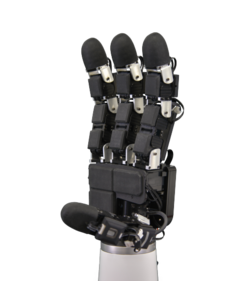
एक robotic hand किसी fragile glass को उठाने जा रहा है। Camera को पता है कि सामने glass है, उसकी position क्या है और हाथ किस दिशा से उसकी ओर बढ़ रहा है। लेकिन जैसे ही fingers glass को छूती हैं, एक नई समस्या शुरू होती है—कितना दबाव लगाना है?
बहुत कम force होगा तो glass फिसल सकता है। ज्यादा force होगा तो वह टूट सकता है। इंसान इस balance को आंखों से नहीं, बल्कि touch feedback से समझता है। उंगलियों की skin contact के दौरान pressure, deformation और movement की जानकारी देती है और हमारा nervous system उसी आधार पर grip बदलता है।
Robotics में इसी समस्या को हल करने की एक दिलचस्प कोशिश है Vision-Based Tactile Sensor। इसमें robot की fingertip या gripper पर एक soft material लगाया जाता है और उसके अंदर camera लगाया जाता है। जब कोई वस्तु उस soft surface को दबाती है, तो surface की shape या उसके अंदर मौजूद visual pattern बदलता है। Camera इस बदलाव को image की तरह capture करता है और algorithms उससे tactile information निकालते हैं। हालिया research reviews इसे high-resolution robotic touch के लिए तेजी से विकसित हो रही approach मानते हैं।
Vision-Based Tactile Sensor क्या है?
सरल शब्दों में, Vision-Based Tactile Sensor ऐसा touch sensor है जो physical contact को सीधे electrical pressure value के रूप में मापने के बजाय उसे एक visual signal में बदलता है। यानी robot की skin खुद एक छोटी-सी imaging system बन जाती है।
एक सामान्य VBTS में आम तौर पर तीन मुख्य हिस्से होते हैं—एक deformable contact surface, illumination system और camera। Contact होने पर soft surface deform होती है और camera उस deformation को record करता है। इसके बाद image-processing या machine-learning algorithms उस image से pressure, contact location, force, surface features या दूसरे tactile properties का अनुमान लगा सकते हैं।
इसी वजह से इसे कभी-कभी camera-based tactile sensor या optical tactile sensor भी कहा जाता है।
Robot touch को camera से कैसे महसूस कर सकता है?
पहली नजर में यह विचार थोड़ा अजीब लगता है। Camera तो देखने के लिए होता है, फिर वह touch कैसे महसूस करेगा?
असल में camera सीधे pressure नहीं मापता। वह pressure के कारण पैदा हुई physical deformation को देखता है।
मान लीजिए sensor की बाहरी layer soft silicone या किसी दूसरे elastomer से बनी है। इसके अंदर छोटे markers या patterns मौजूद हैं। जब robot किसी object को दबाता है, soft layer उस object के आकार के अनुसार थोड़ी बदलती है। Markers अपनी position बदल सकते हैं या surface की brightness और shape बदल सकती है। Camera इस पूरे बदलाव को image में capture करता है।
अब AI या image-processing algorithm यह सीख सकता है कि किस तरह की image deformation किस तरह के contact से जुड़ी है। इस तरह एक camera image को tactile information में बदला जाता है। Marker displacement और intensity-based approaches इस तरह के sensors में प्रमुख sensing principles हैं।
यह प्रक्रिया अंदर से कैसे काम करती है?
पूरे system को एक छोटे pipeline की तरह समझना आसान है:
- Object contact: Robot की soft tactile surface किसी वस्तु से टकराती या उसे दबाती है।
- Deformation: Soft elastomer contact के कारण अपनी shape बदलता है।
- Optical change: Markers, shadows, brightness या internal pattern में बदलाव आता है।
- Image capture: अंदर लगा camera इस बदलाव की तस्वीर या video sequence लेता है।
- AI processing: Computer vision या neural network image से tactile features निकालता है।
- Robot response: Controller के आधार पर robot grip, movement या force को adjust कर सकता है।
इसमें सबसे महत्वपूर्ण विचार यह है कि touch को image में बदल दिया गया। एक बार tactile information image के रूप में उपलब्ध हो जाए, तो computer vision और machine learning की बहुत-सी techniques को उस पर लागू किया जा सकता है।
Soft Elastomer की भूमिका इतनी महत्वपूर्ण क्यों है?
Sensor की soft outer layer केवल protection नहीं होती। वह वास्तव में एक mechanical transducer की तरह काम करती है। वस्तु जितनी अलग shape या force से surface को दबाएगी, deformation का pattern भी अलग हो सकता है।
इसे गीली मिट्टी पर उंगली दबाने जैसा समझ सकते हैं। अगर आप उंगली हल्के से दबाते हैं तो छोटा निशान बनेगा। किसी किनारे वाली वस्तु को दबाने पर अलग shape का निशान बनेगा। Vision-based tactile sensor इसी तरह के deformation को camera से observe करता है, हालांकि वास्तविक sensors कहीं ज्यादा नियंत्रित और सूक्ष्म structures इस्तेमाल करते हैं।
कुछ designs में surface के अंदर markers की array होती है। Object के दबाव से markers की position बदलती है और algorithm उस displacement को analyze करता है। दूसरे designs surface की intensity या optical reflection में बदलाव को tactile signal की तरह इस्तेमाल करते हैं।
Robot किसी वस्तु की shape को touch से कैसे समझ सकता है?
मान लीजिए camera-based tactile sensor की soft surface पर एक गोल object दबाया गया। Contact area में deformation का pattern बनेगा। अगर उसी sensor पर एक sharp edge दबे, तो deformation का pattern अलग होगा।
AI को पर्याप्त examples देकर train किया जाए तो वह इन visual patterns और object properties के बीच संबंध सीख सकता है। इसी कारण vision-based tactile sensors high-resolution tactile perception के लिए उपयोगी माने जाते हैं। Research में ऐसे systems से contact geometry, texture और force distribution जैसी जानकारी निकालने के तरीके विकसित किए जा रहे हैं।
यहां robot को वस्तु की पूरी shape हाथ से scan करने की जरूरत भी नहीं हमेशा नहीं होती। Contact के छोटे हिस्से से मिली जानकारी भी object की local geometry के बारे में useful clue दे सकती है।
Tactile AI क्या है?
Tactile AI उस broader approach को कहा जा सकता है जिसमें machine-learning models tactile sensor data को समझकर physical interaction के बारे में निर्णय लेने में मदद करते हैं। इसका उद्देश्य केवल “touch detected” बताना नहीं है। AI यह अनुमान लगा सकता है कि contact stable है या नहीं, object किस तरह deform हो रहा है, surface कैसी है या grip बदलने की जरूरत है।
यहां computer vision और tactile sensing के बीच एक दिलचस्प connection बनता है। Traditional computer vision में camera से मिली image में objects और shapes खोजे जाते हैं। Vision-based tactile sensing में camera की image robot की fingertip के microscopic deformation को represent करती है। इसलिए tactile AI के लिए image-processing और deep-learning techniques स्वाभाविक रूप से उपयोगी हो सकती हैं।
Pressure और Force को image से कैसे समझा जाता है?
Camera pressure को सीधे kilogram या Newton में नहीं देखता। इसके लिए sensor को calibration और learning की जरूरत पड़ सकती है। Known forces apply करके system को बताया जा सकता है कि अलग-अलग deformation patterns किस force से जुड़े हैं।
इसके बाद trained model नई tactile image देखकर force का अनुमान लगा सकता है। इसी principle को अलग-अलग applications में contact location, force distribution और surface properties तक बढ़ाया जा सकता है।
2026 में प्रकाशित research ने vision-based tactile sensing में microstructures और lightweight convolutional neural networks का इस्तेमाल करके pressure location और magnitude तथा surface texture जैसी properties detect करने की दिशा में काम दिखाया है। Study में VBTS को conventional electronic tactile arrays के मुकाबले wiring और electrical crosstalk जैसी कुछ समस्याओं को कम करने वाली approach के रूप में भी चर्चा की गई है।
Slip Detection में इसका फायदा क्या है?
Robot के लिए किसी वस्तु को पकड़ लेना पर्याप्त नहीं है। उसे यह भी पता होना चाहिए कि वस्तु उसकी grip में स्थिर है या धीरे-धीरे खिसक रही है।
जब कोई object sensor surface के ऊपर थोड़ा slide करता है, तो elastomer के अंदर markers या optical pattern की movement बदलती है। Camera लगातार images capture कर रहा हो तो algorithm इन changes को time के साथ compare कर सकता है। इस temporal information से slip का संकेत निकाला जा सकता है।
यह capability fragile manipulation के लिए खास तौर पर महत्वपूर्ण है। अगर robot को slip का शुरुआती संकेत मिल जाए, तो वह object गिरने से पहले grip force बदल सकता है। Vision-based tactile sensors को इसी वजह से robotic manipulation में high-information sensing approach के रूप में explore किया जा रहा है।
Vision-Based Tactile Sensor और Electronic Skin में क्या अंतर है?
दोनों technologies का लक्ष्य robot को touch की information देना है, लेकिन उनकी sensing architecture अलग हो सकती है।
| Electronic Skin | Vision-Based Tactile Sensor |
|---|---|
| अलग-अलग electronic sensing elements pressure या दूसरे signals को detect कर सकते हैं। | Soft surface की deformation को camera image में बदला जाता है। |
| Resistive, capacitive, piezoelectric और अन्य mechanisms इस्तेमाल हो सकते हैं। | Optical imaging, markers, reflective layers या intensity changes इस्तेमाल हो सकते हैं। |
| बड़ी sensor arrays में wiring और electrical crosstalk चुनौती हो सकती है। | Camera-based readout के कारण sensing surface पर complex electrical wiring कम की जा सकती है। |
| Architecture के अनुसार sensor density और flexibility अलग होती है। | High-resolution tactile images इसकी प्रमुख strengths में शामिल हैं। |
इसका अर्थ यह नहीं कि एक technology दूसरी से हमेशा बेहतर है। Application के अनुसार sensor architecture चुना जाता है। Vision-based approach का खास आकर्षण यह है कि एक camera rich spatial information capture कर सकता है।
क्या robot किसी object की hardness भी touch से समझ सकता है?
संभावना है, लेकिन sensor केवल “hard” या “soft” शब्द अपने आप नहीं समझता। Robot को deformation और applied force के बीच संबंध से material properties का अनुमान लगाना पड़ता है।
उदाहरण के लिए एक soft object समान force पर ज्यादा deform हो सकता है, जबकि hard object कम deform होगा। अगर tactile image में deformation का pattern और force दोनों उपलब्ध हों, तो machine-learning model material stiffness या related properties का अनुमान सीख सकता है।
इसी तरह texture recognition भी संभव है। Surface को slide करते समय छोटे variations tactile images में दिखाई दे सकते हैं और AI उन patterns को अलग-अलग textures से जोड़ सकता है। Recent reviews tactile sensing को texture recognition, manipulation और contact-rich perception जैसे tasks से जोड़ते हैं।
Physical AI में Touch क्यों जरूरी है?
Physical AI का मतलब केवल robot में कोई बड़ा language model डाल देना नहीं है। Robot को वास्तविक दुनिया में काम करने के लिए environment को sense करना, action लेना और उसके physical परिणाम को समझना पड़ता है।
Vision इसमें एक बड़ा हिस्सा है, लेकिन vision की अपनी सीमा है। Camera किसी object का appearance देख सकता है, पर contact force को सीधे महसूस नहीं करता। Touch sensing इस missing information को जोड़ती है।
इसी वजह से recent research vision-based tactile intelligence को sensing hardware, AI learning, simulation और datasets के integrated pipeline के रूप में देख रही है। अगस्त 2026 की एक व्यापक review ने VBTS research को low-level tactile signal understanding से लेकर task-level policies और foundation models तक के spectrum में रखा है।
Sim-to-Real में tactile data क्यों महत्वपूर्ण है?
Robot को real-world touch के लिए train करना आसान नहीं है। हर object, material, grip और contact condition अलग हो सकती है। लाखों real-world tactile interactions collect करना महंगा और समय लेने वाला हो सकता है।
इसलिए researchers simulation का इस्तेमाल करते हैं। Virtual environment में robot और tactile sensor का model बनाया जाता है और अलग-अलग contact conditions generate की जाती हैं। फिर AI model को simulated data पर train करके real robot पर transfer करने की कोशिश की जाती है। इसे Sim-to-Real कहा जाता है।
लेकिन simulated tactile images और वास्तविक sensor images बिल्कुल समान नहीं होते। Material properties, lighting, camera noise और manufacturing differences के कारण gap पैदा हो सकता है। इसलिए recent VBTS research में simulation, tactile datasets और cross-sensor adaptation को scaling challenges के रूप में महत्वपूर्ण माना गया है।
इस technology की बड़ी चुनौतियां क्या हैं?
पहली चुनौती durability है। Soft elastomer और optical components को लगातार pressing, sliding और impact झेलना पड़ सकता है। Research में sensitivity, resolution और long-term durability के बीच trade-offs अभी भी मौजूद हैं।
दूसरी चुनौती calibration है। Sensor से मिली image को meaningful force या contact information में बदलने के लिए reliable calibration जरूरी है। अलग-अलग sensors का response अलग हो सकता है।
तीसरी चुनौती size और integration है। Robot के हाथ में camera, illumination, elastomer और processing hardware को compact तरीके से fit करना पड़ता है। एक fingertip के लिए workable design पूरे humanoid robot की body पर लागू करना अलग engineering problem है।
चौथी चुनौती data है। Tactile AI को केवल images की जरूरत नहीं होती; उसे contact conditions, forces, object properties और actions से जुड़े अच्छे datasets चाहिए। इसी वजह से tactile datasets और standardized benchmarks इस field के लिए महत्वपूर्ण होते जा रहे हैं।
क्या भविष्य का robot अपनी उंगलियों से वस्तु को “देख” पाएगा?
तकनीकी अर्थ में कुछ हद तक ऐसा कहा जा सकता है। Vision-based tactile sensor की camera image robot की fingertip के contact को visual representation में बदल देती है। इसलिए robot के लिए touch एक तरह का visual data बन जाता है।
लेकिन इसे इंसानी touch की पूरी नकल समझना सही नहीं होगा। Human skin temperature, pressure, vibration, pain और दूसरे signals को अलग-अलग receptors और nervous system के जरिए process करती है। VBTS आम तौर पर किसी specific set of tactile properties को high-resolution तरीके से capture करने के लिए बनाया जाता है।
Future systems में camera vision और tactile vision साथ काम कर सकते हैं। Camera robot को बताएगा कि object कहां है, जबकि fingertip sensor बताएगा कि contact के दौरान object और fingers के बीच क्या हो रहा है। यही combination ज्यादा dexterous robotic manipulation की दिशा में महत्वपूर्ण हो सकता है। 2026 की tactile robotics research भी vision-based touch को robotics की अगली generation में महत्वपूर्ण emerging direction मानती है।
भारत के लिए इसका क्या मतलब है?
भारत में robotics का उपयोग manufacturing, logistics, healthcare और research में बढ़ रहा है। ऐसे environments में केवल industrial robots को programmed motion कराने से आगे बढ़कर adaptive manipulation की जरूरत होगी।
अगर robotic systems सस्ते और reliable tactile sensors के जरिए objects को physical feedback के साथ handle कर सकें, तो automation को अधिक flexible बनाने में मदद मिल सकती है। खासकर ऐसे काम जहां objects का आकार, softness या orientation हर बार थोड़ा अलग हो, वहां touch feedback का महत्व बढ़ता है।
हालांकि इसे भारत में बड़े पैमाने पर commercial adoption के रूप में अभी प्रस्तुत करना जल्दबाजी होगी। फिलहाल technology का बड़ा हिस्सा research, prototypes और specialized robotic systems में विकसित हो रहा है।
निष्कर्ष
Vision-Based Tactile Sensor क्या है? इसे एक ऐसे robotic touch system के रूप में समझ सकते हैं जो contact को electrical number की जगह visual information में बदलता है। Soft elastomer deform होता है, camera उस deformation को capture करता है और AI image से pressure, contact shape, force या slip जैसी जानकारी निकालने की कोशिश करता है।
इस approach की खासियत यह है कि robot के लिए touch को computer vision की भाषा में बदला जा सकता है। इससे high-resolution tactile information को machine-learning models के साथ जोड़ना आसान हो सकता है। हालिया research इसे hardware, AI, simulation और tactile datasets को एक साथ जोड़ने वाले broader tactile-intelligence pipeline के रूप में देख रही है।
अभी यह technology कई engineering challenges से घिरी है—durability, calibration, compact integration, real-world data और sim-to-real transfer उनमें प्रमुख हैं। इसलिए यह कहना सही नहीं होगा कि robots अब इंसानों की तरह पूरी तरह महसूस करने लगे हैं। लेकिन दिशा महत्वपूर्ण है: अगली पीढ़ी के robots केवल देखने वाले AI systems नहीं होंगे। वे contact को measure करेंगे, tactile images समझेंगे और अपने physical actions को उसी feedback के आधार पर बदलने की कोशिश करेंगे। यही Physical AI को केवल software intelligence से आगे ले जाने वाली अहम कड़ी हो सकती है।
FAQ
Vision-Based Tactile Sensor क्या है?
यह ऐसा tactile sensor है जिसमें camera और deformable surface का इस्तेमाल करके physical contact को images में बदला जाता है। AI या image-processing algorithms इन images से tactile information निकाल सकते हैं।
Robot touch को camera से कैसे महसूस कर सकता है?
Camera pressure को सीधे नहीं मापता। Object के contact से soft surface में deformation होता है और camera उस deformation, marker movement या optical intensity change को capture करता है।
Tactile AI क्या है?
Tactile AI में machine-learning और computer-vision techniques का इस्तेमाल tactile sensor data को समझने और robot manipulation या control में उपयोग करने के लिए किया जाता है।
क्या robot किसी वस्तु को छूकर उसकी hardness और shape समझ सकता है?
कुछ systems contact deformation और force-related information से local shape, texture या material properties का अनुमान लगा सकते हैं। यह capability sensor design, calibration और AI model पर निर्भर करती है।
Vision-Based Tactile Sensor और Electronic Skin में क्या अंतर है?
Electronic skin एक व्यापक category है जिसमें कई प्रकार के tactile sensing mechanisms शामिल हैं। Vision-based tactile sensor खास तौर पर optical imaging और deformable surface के जरिए tactile information प्राप्त करता है।