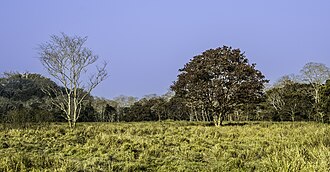
किसी जंगल के ऊपर से गुजरती हवा दिखाई नहीं देती, लेकिन उसके साथ सिर्फ धूल और धुआं ही नहीं चलता। हवा reactive nitrogen के compounds को भी एक जगह से दूसरी जगह ले जा सकती है। बाद में यही nitrogen बारिश, बादलों, कणों या सीधे surface पर जमा होने की प्रक्रिया के जरिए जंगल, घासभूमि, wetlands और दूसरे ecosystems तक पहुंचता है। इस प्रक्रिया को nitrogen deposition कहा जाता है।
समस्या तब शुरू होती है जब ecosystem में पहुंचने वाला reactive nitrogen उसकी प्राकृतिक जरूरत से ज्यादा हो जाए। पौधों के लिए nitrogen एक जरूरी nutrient है, लेकिन बहुत ज्यादा nitrogen ecosystem के भीतर nutrient balance बदल सकता है और कुछ पौधों को दूसरों पर बढ़त दे सकता है। इससे plant communities और biodiversity पर दबाव पड़ सकता है।
भारत के संदर्भ में यह विषय इसलिए खास है क्योंकि 12 अगस्त 2026 को Scientific Reports में प्रकाशित एक नई study ने देश के ecologically sensitive protected areas में nitrogen deposition का high-resolution assessment किया है। Study में researchers ने updated ammonia emission inventory और WRF-Chem atmospheric modelling का इस्तेमाल करके वर्तमान तथा 2030 के emission scenario में nitrogen deposition और critical-load exceedance का आकलन किया।
यह research यह नहीं कहती कि भारत के हर National Park में nitrogen pollution समान स्तर पर है। बल्कि इसका संदेश यह है कि atmospheric nitrogen को biodiversity conservation की चर्चा से अलग नहीं किया जा सकता।
Nitrogen deposition क्या है?
साधारण भाषा में समझें तो nitrogen deposition का मतलब है वायुमंडल में मौजूद reactive nitrogen compounds का जमीन और ecosystems पर पहुंचकर जमा होना। यह दो प्रमुख तरीकों से हो सकता है—wet deposition और dry deposition।
Wet deposition में nitrogen-containing compounds बारिश, बर्फ या दूसरी precipitation के साथ जमीन तक पहुंचते हैं। Dry deposition में गैसें और छोटे particles बिना बारिश के सीधे पेड़-पौधों, मिट्टी, पानी या दूसरी surfaces पर जमा हो सकते हैं।
इसलिए जंगल में nitrogen pollution का मतलब यह जरूरी नहीं कि वहां कोई nitrogen fertilizer सीधे डाला गया हो। किसी शहर, industrial area या agricultural region से निकला reactive nitrogen atmosphere में transport होकर दूर स्थित ecosystem तक भी पहुंच सकता है।
हवा में nitrogen आता कहां से है?
इस कहानी में दो compounds खास हैं—ammonia (NH3) और nitrogen oxides (NOx)। दोनों के sources अलग-अलग हो सकते हैं और atmosphere में इनके chemical transformations भी होते हैं।
भारत में ammonia emissions का एक बड़ा संबंध agriculture से है। Nitrogen fertilizers के इस्तेमाल और livestock तथा manure management जैसी agricultural activities से ammonia atmosphere में जा सकती है। दूसरी तरफ vehicles, power generation और fuel combustion जैसी गतिविधियां nitrogen oxides का प्रमुख स्रोत बन सकती हैं। Industrial processes भी nitrogen emissions में योगदान दे सकते हैं।
जब ये compounds atmosphere में पहुंचते हैं, तो हवा और atmospheric chemistry उन्हें बदल सकती है। कुछ nitrogen compounds gas के रूप में रहते हैं, कुछ particulate matter से जुड़ सकते हैं और कुछ बाद में precipitation के जरिए ecosystems तक पहुंचते हैं।
अगर nitrogen पौधों के लिए जरूरी है, तो pollution कैसे बन गया?
यहां मात्रा और ecosystem balance सबसे महत्वपूर्ण हैं। पौधों को nitrogen proteins, nucleic acids और chlorophyll जैसे biological components बनाने के लिए चाहिए। लेकिन प्राकृतिक ecosystems में nutrients की मात्रा और cycling आमतौर पर एक संतुलन में होती है।
जब बाहर से लगातार अतिरिक्त reactive nitrogen पहुंचता है, तो यह nutrient availability को बदल सकता है। कुछ fast-growing या nitrogen-loving species को फायदा मिल सकता है, जबकि ऐसे native plants जो कम-nitrogen conditions के अनुकूल हैं, competitive disadvantage में आ सकते हैं।
यानी nitrogen pollution का असर हमेशा पेड़ के तुरंत सूखने के रूप में दिखाई नहीं देता। कई बार शुरुआत ecosystem की composition बदलने से होती है। धीरे-धीरे plant diversity, soil chemistry और nutrient cycling में बदलाव आ सकते हैं।
Critical Load क्या होता है?
इस research को समझने के लिए critical load शब्द महत्वपूर्ण है। इसका मतलब किसी pollutant की वह deposition level है जिसके ऊपर ecosystem में harmful ecological changes होने का जोखिम बढ़ जाता है। यह कोई universal number नहीं होता। अलग-अलग ecosystems और ecological receptors की sensitivity अलग होती है।
उदाहरण के लिए alpine ecosystem, tropical forest, mangrove या grassland nitrogen के प्रति एक जैसा response नहीं दिखा सकते। इसलिए critical load ecosystem-specific होना चाहिए।
नई Indian study में researchers ने भारत के लिए region-specific critical loads की कमी के कारण United States, Europe और China में इस्तेमाल किए गए ecosystem thresholds को comparison के लिए इस्तेमाल किया। यह एक महत्वपूर्ण limitation भी है, क्योंकि विदेशी thresholds भारत की हर ecological condition को पूरी तरह represent नहीं कर सकते। Researchers ने खुद long-term field studies के जरिए India-specific critical-load thresholds विकसित करने की जरूरत बताई है।
भारत के National Parks में नई research ने क्या पाया?
12 अगस्त 2026 को प्रकाशित Scientific Reports study ने India के protected ecosystems पर nitrogen deposition का high-resolution modelling assessment किया। Researchers ने baseline 2015 scenario और future emission scenario for 2030 की तुलना की।
Baseline 2015 scenario में modelled deposition को अलग-अलग critical-load benchmarks से तुलना करने पर 6 National Parks Chinese thresholds, 12 European thresholds और 18 US thresholds से ऊपर पाए गए। Future 2030 scenario में exceedance बढ़ी—US thresholds के मामले में 25 National Parks और European thresholds के मामले में 12 National Parks exceedance में पहुंचे। Chinese thresholds के मुकाबले exceedances कम थीं।
Study ने विभिन्न ecosystems में total nitrogen deposition में लगभग 5% से 124% तक वृद्धि project की। इसका मतलब हर ecosystem में समान वृद्धि नहीं है; location और ecosystem type के अनुसार बदलाव काफी अलग हो सकता है।
ये आंकड़े model-based assessment हैं, इसलिए इन्हें सीधे हर National Park में ground-level measured pollution के रूप में नहीं पढ़ना चाहिए। उनका मुख्य उपयोग spatial risk को समझने और आगे field monitoring की प्राथमिकताएं तय करने में है।
Protected Area होने के बावजूद pollution वहां कैसे पहुंच जाता है?
National Park की सीमा ecosystem को atmospheric circulation से अलग नहीं कर सकती। हवा किसी administrative boundary को नहीं पहचानती। अगर reactive nitrogen किसी agricultural belt, highway corridor, industrial region या urban area से atmosphere में जाता है, तो atmospheric transport उसे दूसरे क्षेत्रों तक ले जा सकता है।
इसी कारण protected area का conservation केवल park boundary के भीतर होने वाली गतिविधियों को नियंत्रित करने से पूरा नहीं होता। आसपास के landscape और regional air pollution भी ecosystem health को प्रभावित कर सकते हैं।
यह nitrogen deposition को एक interesting environmental problem बनाता है। कोई National Park भीतर से relatively undisturbed दिखाई दे सकता है, लेकिन atmosphere के जरिए बाहर से nutrients लगातार वहां पहुंच सकते हैं।
Nitrogen deposition biodiversity को कैसे बदल सकता है?
इसका पहला रास्ता nutrient imbalance है। जिन ecosystems में nitrogen naturally सीमित होता है, वहां अतिरिक्त nitrogen आने से पौधों के बीच competition बदल सकता है। Nitrogen-loving species ज्यादा तेजी से बढ़ सकती हैं और slow-growing native species पर दबाव बढ़ सकता है।
दूसरा प्रभाव soil chemistry पर हो सकता है। लंबे समय तक nitrogen inputs बढ़ने से soil nutrient balance और कुछ परिस्थितियों में acidity प्रभावित हो सकती है। इससे plant communities और soil organisms की composition बदल सकती है।
तीसरा असर biodiversity पर indirect हो सकता है। अगर plant community बदलती है, तो उन पौधों पर निर्भर insects, herbivores और दूसरे organisms भी प्रभावित हो सकते हैं। इस तरह atmospheric nitrogen एक single-species problem न रहकर ecosystem-level change में बदल सकता है।
हालांकि किसी particular Indian National Park में कौन-सी species कितनी प्रभावित होगी, यह केवल deposition map से तय नहीं किया जा सकता। इसके लिए long-term ecological observations और field experiments की जरूरत होती है।
क्या nitrogen pollution सिर्फ जंगलों की समस्या है?
नहीं। Reactive nitrogen terrestrial forests के अलावा grasslands, wetlands, alpine ecosystems और aquatic environments को भी प्रभावित कर सकता है। पानी में excessive nutrients पहुंचने पर eutrophication जैसी समस्याएं पैदा हो सकती हैं, हालांकि nitrogen deposition का वास्तविक प्रभाव local ecosystem और दूसरे nutrients की availability पर निर्भर करता है।
इसलिए nitrogen cycle को केवल air pollution या agriculture की अलग-अलग समस्या के रूप में देखना अधूरा होगा। Agriculture, transport, energy, industry, atmospheric chemistry, forests और water systems एक connected cycle में शामिल हैं।
भारत के लिए ammonia इतना महत्वपूर्ण क्यों है?
भारत की nitrogen story में ammonia पर विशेष ध्यान देना जरूरी है। Nitrogen oxide emissions पर चर्चा अक्सर vehicles और fuel combustion के कारण होती है, लेकिन ammonia का बड़ा संबंध agricultural activity से हो सकता है। Fertilizer application और livestock-related emissions के कारण agriculture atmospheric nitrogen cycle में महत्वपूर्ण भूमिका निभाता है।
इसका मतलब यह है कि nitrogen pollution कम करने के लिए केवल vehicle exhaust पर ध्यान देना पर्याप्त नहीं होगा। Fertilizer use efficiency, सही मात्रा और सही समय पर nitrogen application, manure management और agricultural emission monitoring जैसी strategies भी महत्वपूर्ण हो सकती हैं।
क्या fertilizer खेत से निकलकर जंगल तक पहुंच सकता है?
Indirectly, हां। Fertilizer खेत में इस्तेमाल होता है, लेकिन nitrogen का पूरा हिस्सा crop द्वारा absorb नहीं किया जाता। कुछ nitrogen soil और water pathways में जा सकता है, जबकि ammonia जैसे reactive forms atmosphere में भी emit हो सकते हैं। बाद में atmospheric transport और deposition के जरिए nitrogen आसपास या दूर के ecosystems तक पहुंच सकता है।
इसलिए fertilizer management केवल farm productivity का विषय नहीं है। यह regional air quality, nutrient cycling और sensitive ecosystems के लिए भी महत्वपूर्ण हो सकता है।
2030 का अनुमान क्या बताता है?
नई study ने future emission scenario के जरिए यह देखने की कोशिश की कि nitrogen deposition आगे कैसे बदल सकती है। Model results में कई ecosystem types के लिए deposition बढ़ने का संकेत मिला और कुछ critical-load exceedances भी बढ़ीं।
लेकिन इसे “2030 में हर National Park इतना polluted होगा” जैसी भविष्यवाणी समझना गलत होगा। Future scenario modelling assumptions पर निर्भर करती है। वास्तविक emissions policy, technology, agriculture practices, energy use और atmospheric conditions के अनुसार अलग हो सकती हैं।
इसलिए 2030 projection को सबसे उपयोगी तरीके से एक risk signal की तरह देखा जाना चाहिए—ऐसा संकेत जो बताता है कि nitrogen management को biodiversity policy से जोड़ना क्यों जरूरी है।
Climate change और nitrogen pollution का रिश्ता क्या है?
Climate change और nitrogen deposition दो अलग environmental pressures हैं, लेकिन ecosystems में इनके effects एक-दूसरे से interact कर सकते हैं। Temperature, rainfall, vegetation growth और atmospheric circulation में बदलाव nitrogen cycling और deposition patterns को प्रभावित कर सकते हैं। दूसरी तरफ अतिरिक्त nitrogen vegetation और soil processes को बदल सकता है।
नई study का मुख्य focus nitrogen deposition है, इसलिए इसके results को सीधे climate change के कारण हुए बदलाव के रूप में नहीं पढ़ना चाहिए। Future scenario में emission और climate-related modelling assumptions का उपयोग किया गया है, लेकिन nitrogen deposition का अलग contribution समझना जरूरी है।
क्या भारत में अपने Critical Load तय करने चाहिए?
यही इस research से निकलने वाले सबसे महत्वपूर्ण policy questions में से एक है। अगर भारत के ecosystems की ecological sensitivity अमेरिका, यूरोप या चीन से अलग है, तो imported thresholds केवल शुरुआती comparison दे सकते हैं।
भारत में alpine और subalpine forests से लेकर tropical forests, mangroves और desert ecosystems तक बहुत विविध ecological conditions हैं। इनके लिए long-term field measurements, plant response studies, soil chemistry और biodiversity observations के आधार पर region-specific critical loads विकसित करना ज्यादा मजबूत scientific foundation देगा।
इस समस्या को कम करने के लिए क्या किया जा सकता है?
Reactive nitrogen emissions को कम करने का कोई एक उपाय नहीं है। Agriculture में nitrogen fertilizer का efficient use ammonia losses कम करने में मदद कर सकता है। Livestock और manure management में बेहतर practices भी महत्वपूर्ण हो सकती हैं। Transport और power sector में NOx controls nitrogen oxide emissions को कम कर सकते हैं। Industrial emission standards और cleaner technologies भी भूमिका निभाते हैं।
साथ ही protected areas के आसपास atmospheric deposition monitoring को मजबूत करना जरूरी है। केवल शहरों की air-quality monitoring से यह पता नहीं चलता कि sensitive ecosystems तक कितने nutrients पहुंच रहे हैं।
सबसे उपयोगी approach वह होगी जिसमें air pollution policy, agricultural nitrogen management और biodiversity conservation को अलग-अलग विभागीय मुद्दों के बजाय एक connected system के रूप में देखा जाए।
इस research की सबसे बड़ी सीमा क्या है?
Study का बड़ा हिस्सा atmospheric modelling और available critical-load thresholds की तुलना पर आधारित है। India-specific ecological thresholds की कमी के कारण researchers को United States, Europe और China के benchmarks इस्तेमाल करने पड़े। इसलिए critical-load exceedance को ecosystem damage का प्रत्यक्ष field measurement नहीं समझना चाहिए।
दूसरी महत्वपूर्ण बात यह है कि nitrogen deposition के ecological effects को साबित करने के लिए केवल atmospheric deposition data पर्याप्त नहीं है। किसी forest या National Park में वास्तविक biodiversity response जानने के लिए vegetation, soil, insects, microbes और लंबे समय के ecological changes की monitoring भी जरूरी होगी।
इसीलिए researchers ने India-specific critical loads स्थापित करने के लिए long-term field studies की जरूरत पर जोर दिया है।
भारत के जंगलों के लिए इसका असली मतलब क्या है?
भारत में forest conservation को अक्सर deforestation, habitat loss, fires और climate change के नजरिए से देखा जाता है। ये सभी महत्वपूर्ण pressures हैं, लेकिन atmospheric nitrogen एक ऐसा दबाव है जो बिना किसी पेड़ को काटे भी ecosystem के भीतर बदलाव शुरू कर सकता है।
एक जंगल की ecological health सिर्फ इस बात से तय नहीं होती कि वहां कितने hectares forest बचे हैं। यह भी मायने रखता है कि मिट्टी में nutrients का संतुलन कैसा है, कौन-सी plant species मौजूद हैं, हवा से क्या compounds आ रहे हैं और ecosystem की natural processes कितनी स्थिर हैं।
Nitrogen deposition इसी invisible layer को सामने लाता है। जंगल की सीमा सुरक्षित होने के बावजूद atmosphere के जरिए आने वाला pollution उसकी ecology को प्रभावित कर सकता है।
अक्सर पूछे जाने वाले सवाल
Nitrogen deposition क्या है?
वायुमंडल में मौजूद reactive nitrogen compounds का बारिश, precipitation या सीधे gases और particles के रूप में जमीन, पौधों, मिट्टी और पानी पर जमा होना nitrogen deposition कहलाता है।
हवा का nitrogen जंगलों के लिए नुकसानदायक कैसे हो सकता है?
जब reactive nitrogen ecosystem की natural जरूरत से ज्यादा पहुंचता है, तो nutrient balance बदल सकता है। इससे कुछ plant species को फायदा और कुछ native species को नुकसान हो सकता है तथा soil chemistry और biodiversity पर दबाव पड़ सकता है।
भारत के National Parks में nitrogen pollution क्यों बढ़ रहा है?
Reactive nitrogen agriculture से निकलने वाले ammonia तथा transport, energy और industrial activities से जुड़े nitrogen oxides जैसे sources से atmosphere में पहुंच सकता है। Atmospheric transport के कारण यह pollution protected areas तक भी पहुंच सकता है।
Critical load का क्या मतलब है?
Critical load किसी pollutant की ऐसी deposition level को दर्शाता है जिसके ऊपर ecosystem में harmful ecological changes का जोखिम बढ़ सकता है। अलग-अलग ecosystems के लिए इसकी सीमा अलग हो सकती है।
क्या fertilizer nitrogen pollution बढ़ा सकता है?
हां। Fertilizer use से nitrogen crops तक पहुंचता है, लेकिन nitrogen का कुछ हिस्सा environment में अलग pathways से जा सकता है। Ammonia emissions के जरिए agricultural nitrogen atmosphere में भी पहुंच सकता है।
क्या nitrogen deposition से हर National Park को नुकसान होगा?
जरूरी नहीं। Ecosystem sensitivity, deposition level, soil properties, vegetation और local conditions अलग-अलग होते हैं। नई research risk assessment देती है, लेकिन किसी specific park में वास्तविक ecological damage जानने के लिए field studies जरूरी हैं।
निष्कर्ष
हवा में मौजूद nitrogen को देखकर खतरे का अंदाजा लगाना मुश्किल है। Nitrogen खुद जीवन के लिए जरूरी element है, लेकिन reactive nitrogen की अतिरिक्त मात्रा ecosystem के लिए nutrient overload बन सकती है। यही वजह है कि nitrogen deposition को केवल chemical pollution नहीं, बल्कि biodiversity और ecosystem health का मुद्दा भी समझना होगा।
2026 की नई modelling research ने भारत के National Parks में इस pressure की तस्वीर को पहले से ज्यादा स्पष्ट किया है। Baseline 2015 scenario में कई protected areas अलग-अलग international critical-load benchmarks से ऊपर पाए गए और 2030 scenario में कुछ thresholds के exceedance बढ़ने का अनुमान लगाया गया। अलग-अलग ecosystems में total nitrogen deposition की projected वृद्धि लगभग 5% से 124% तक रही।
लेकिन इन आंकड़ों का सही अर्थ यह नहीं है कि भारत के जंगल तत्काल नष्ट होने की स्थिति में हैं। Research का ज्यादा महत्वपूर्ण संदेश यह है कि atmospheric nitrogen को biodiversity monitoring और environmental policy में शामिल करने का समय आ गया है। भारत को अपने ecosystems के लिए region-specific critical loads विकसित करने, long-term field observations बढ़ाने और agriculture तथा combustion sources से reactive nitrogen emissions को बेहतर तरीके से manage करने की जरूरत होगी।
जंगल को बचाने का मतलब केवल पेड़ों को कटने से रोकना नहीं है। कभी-कभी जंगल के ऊपर से गुजरती हवा में छिपे invisible pollutants को समझना भी उतना ही जरूरी होता है।