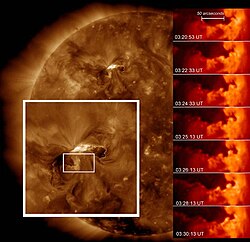
दूर से सूरज हमें एक चमकती हुई, लगभग smooth गोल गेंद जैसा दिखाई देता है। लेकिन उसकी visible surface के बहुत करीब जाकर देखें तो तस्वीर बिल्कुल अलग है। वहां कोई ठोस जमीन नहीं है। गर्म plasma लगातार ऊपर-नीचे हो रहा है, magnetic fields छोटे-छोटे क्षेत्रों को प्रभावित कर रहे हैं और अलग-अलग हिस्सों में material अलग गति से बह रहा है।
अब Daniel K. Inouye Solar Telescope ने इस turbulent दुनिया को इतनी बारीकी से देखा है कि वैज्ञानिकों को सूरज की photosphere में छोटे-छोटे wave और vortex जैसे structures साफ दिखाई दिए। Researchers ने इन patterns को Kelvin-Helmholtz instability से जोड़ा है—एक ऐसी physical process जो तब पैदा हो सकती है जब दो adjacent fluid flows अलग-अलग speeds से एक-दूसरे के पास से गुजरते हैं।
Nature में प्रकाशित research के अनुसार यह photosphere में इस phenomenon की पहली स्पष्ट experimental confirmation है। Observations ने यह भी दिखाया कि solar surface पहले की low-resolution तस्वीरों से कहीं ज्यादा dynamic और complex है।
सूरज की “सतह” आखिर है क्या?
सबसे पहले एक आम भ्रम दूर करना जरूरी है। सूरज की surface पृथ्वी की जमीन जैसी solid surface नहीं है। जिसे हम सूरज की visible surface कहते हैं, वह मुख्यतः photosphere है—सूरज के atmosphere की वह पतली layer जहां plasma इतना transparent हो जाता है कि photons बाहर निकलकर space में पहुंच सकते हैं।
इसलिए जब हम “सूरज की सतह पर भंवर” कहते हैं, तो हमारा मतलब किसी solid layer पर घूमती गैस से नहीं है। वहां electrically charged, बेहद गर्म plasma मौजूद है। यह plasma convection के कारण लगातार movement में रहता है और magnetic fields के साथ interact करता है।
इसे पानी से भरे विशाल बर्तन की कल्पना करके थोड़ा आसान समझ सकते हैं। नीचे से गर्म पानी ऊपर आता है, ठंडा पानी नीचे जाता है और पूरी surface पर अलग-अलग गति की धाराएं बनती रहती हैं। सूरज में यह process कहीं ज्यादा extreme है और इसमें magnetic field भी महत्वपूर्ण भूमिका निभाता है।
Kelvin-Helmholtz instability क्या होती है?
नाम थोड़ा कठिन है, लेकिन basic idea काफी सरल है। मान लीजिए दो fluid layers एक-दूसरे के संपर्क में हैं और एक layer दूसरी से तेज गति से आगे बढ़ रही है। दोनों के बीच velocity difference पैदा होगा। इसे velocity shear कहा जाता है।
अगर यह shear पर्याप्त हो और boundary में कोई छोटी disturbance पैदा हो जाए, तो वह disturbance बढ़ सकती है। सीधी boundary धीरे-धीरे wave जैसी होने लगती है और फिर उसके हिस्से curl होकर vortex या whirlpool जैसे patterns बना सकते हैं। यही broad process Kelvin-Helmholtz instability कहलाती है।
पृथ्वी के atmosphere में भी इसके उदाहरण मिल सकते हैं। अलग-अलग गति से चलने वाली हवा की layers के बीच cloud patterns में wave-like structures बन सकते हैं। Ocean और atmosphere की boundaries पर भी इस instability का अध्ययन किया गया है। Solar plasma में यही basic fluid-dynamics idea magnetic fields और electrically charged plasma की जटिल physics के साथ मिल जाता है।
सूरज पर यह instability कहां बन रही थी?
नई observations किसी random हिस्से की नहीं थीं। Telescope ने एक magnetically active region को देखा जो sunspot के पास था। इस क्षेत्र में photosphere के convective granules के बीच छोटे-scale magnetic flux concentrations मौजूद थे।
इन magnetic structures और आसपास के convective plasma के interfaces पर तस्वीरें अचानक बहुत जटिल दिखाई देने लगीं। पहले जो boundaries comparatively smooth या blurred लग सकती थीं, high-resolution observations में वे fine stripes और vortex-like structures से भरी हुई नजर आईं।
Researchers ने इन structures की तुलना high-resolution numerical simulations से भी की। Observed patterns और simulated structures के बीच agreement ने इस interpretation को मजबूत किया कि यहां Kelvin-Helmholtz instability काम कर रही है।
इतने सालों से इसे देखा क्यों नहीं जा सका?
Kelvin-Helmholtz instability कोई नई theoretical idea नहीं है। Scientists इसे लंबे समय से जानते हैं और solar atmosphere में इसके मौजूद होने की संभावना पर theoretical studies भी होती रही हैं। समस्या यह थी कि photosphere में इसके छोटे-scale structures को resolve करना बेहद मुश्किल था।
Nature की research के अनुसार इससे पहले solar photosphere में KHI को सीधे observe न कर पाने का एक बड़ा कारण इसकी characteristic spatial scale था। पुराने telescopes की resolution इतनी बेहतर नहीं थी कि इन छोटे structures को साफ अलग किया जा सके।
यहीं Daniel K. Inouye Solar Telescope का फायदा सामने आया। यह 4-metre-class solar telescope है और इसकी high-resolution observations ने researchers को solar surface के बहुत छोटे structures देखने की क्षमता दी। इस study में लगभग 19 किलोमीटर spatial resolution तक details resolve की गईं।
19 किलोमीटर सुनने में बड़ा लग सकता है, लेकिन सूर्य का व्यास लगभग 14 लाख किलोमीटर है। पूरे सूरज की तुलना में यह scale बेहद छोटा है। इसी वजह से नई images में पहली बार solar surface का ऐसा fine structure सामने आया जिसे पुराने observations आसानी से blur कर देते थे।
सूरज की photosphere में भंवर बनते कैसे हैं?
यहां तीन चीजें एक साथ काम करती हैं—convection, velocity shear और magnetic field।
Photosphere में गर्म plasma ऊपर उठता है और अपेक्षाकृत ठंडा plasma नीचे की ओर जाता है। इस convection से छोटे-बड़े flows बनते हैं। दूसरी तरफ magnetic field कुछ क्षेत्रों में plasma की movement को प्रभावित करता है और magnetic flux concentrations बनाता है।
जब magnetic elements के किनारों और आसपास के convective plasma की गति में अंतर पैदा होता है, तो वहां shear layer बन सकती है। अगर conditions instability के अनुकूल हों, तो छोटी disturbance बढ़ने लगती है। Boundary wave जैसी होती जाती है और आखिरकार छोटे curled structures दिखाई दे सकते हैं।
यानी सूरज पर ये vortex किसी बाहरी object के कारण घूमती हुई चीजें नहीं हैं। वे plasma flows की dynamics से पैदा होने वाले structures हैं।
नई तस्वीरों में असल में क्या दिखाई दिया?
DKIST की observations में solar surface के magnetic elements की boundaries smooth lines जैसी नहीं दिखीं। वहां vortex-like structures और fine-scale striations दिखाई दिए। Nature के अनुसार ये structures magnetic flux concentrations के किनारों पर व्यापक रूप से मौजूद थे।
Researchers ने इन features को केवल एक static photograph की तरह नहीं देखा। Time-sequence observations ने यह समझने में मदद की कि surface structures समय के साथ कैसे बदलते हैं। इसी dynamic information ने KHI interpretation को मजबूत किया।
इसका महत्व इसलिए भी है क्योंकि किसी pattern का एक फोटो में vortex जैसा दिखना और वास्तव में fluid instability होना दो अलग बातें हैं। यहां observations को numerical simulations और physical models के साथ compare किया गया।
क्या ये सूरज के बड़े sunspots हैं?
नहीं। Sunspot और ये KHI structures अलग scales और physical processes से संबंधित हैं। Sunspots बड़े, comparatively dark regions हैं जहां strong magnetic fields convection को inhibit करते हैं। इसके कारण वहां आसपास की photosphere की तुलना में plasma cooler दिखाई देता है।
नई research में KHI structures एक magnetically active region में magnetic flux concentrations के किनारों पर देखे गए। यानी ये sunspot स्वयं नहीं हैं, बल्कि magnetic structures और आसपास के moving plasma की interaction से जुड़े छोटे-scale patterns हैं।
इसे ऐसे समझें जैसे किसी बड़े नदी के किनारे कई छोटे eddies बन रहे हों। नदी पूरी phenomenon नहीं है; eddies उसके flow के भीतर बनने वाली छोटी structures हैं। उसी तरह sunspot और magnetic active region बड़े-scale context देते हैं, जबकि KHI छोटे-scale plasma dynamics को दिखाती है।
Magnetic field इस कहानी को इतना जटिल क्यों बना देता है?
सिर्फ पानी या हवा के लिए Kelvin-Helmholtz instability समझना अपेक्षाकृत आसान है। लेकिन सूर्य का plasma electrically charged है। इसलिए उसकी motion magnetic field से गहराई से जुड़ी रहती है।
इस तरह solar physics में इसे केवल classical fluid dynamics से नहीं समझा जा सकता। यहां magnetohydrodynamics यानी MHD की जरूरत पड़ती है, जिसमें plasma flow और magnetic field दोनों को एक साथ model किया जाता है।
नई Nature study में observed structures को magnetized KHI के रूप में identify किया गया है। Researchers के अनुसार ये instabilities mass, energy, momentum और magnetic flux के transport में efficient भूमिका निभा सकती हैं।
क्या ये छोटे vortex सूरज की magnetic field को बदल सकते हैं?
यही इस discovery का सबसे interesting हिस्सा है। Researchers का कहना है कि छोटे-scale magnetized Kelvin-Helmholtz instabilities magnetic fields की creation और dissipation तथा vortex motion को समझने में महत्वपूर्ण हो सकती हैं। Vortex motion magnetic field lines को आपस में twist और braid करने में योगदान दे सकती है। इसे magnetic flux braiding कहा जाता है।
Magnetic field lines को रबर bands की तरह सोचें। अगर plasma flows उन्हें अलग-अलग दिशाओं में लगातार खींचते और घुमाते रहें, तो उनका arrangement अधिक complex हो सकता है। वास्तविक solar magnetic field इससे कहीं अधिक जटिल है, लेकिन analogy यह समझाने में मदद करती है कि छोटे-scale motions बड़े magnetic structures को प्रभावित कर सकते हैं।
क्या Kelvin-Helmholtz instability solar flares पैदा करती है?
सीधे तौर पर ऐसा कहना अभी सही नहीं होगा। नई discovery यह नहीं दिखाती कि “KHI = solar flare”। Researchers का मुख्य परिणाम photosphere में KHI की observational confirmation और उसके plasma mixing तथा magnetic-field dynamics में संभावित महत्व से जुड़ा है।
हालांकि magnetic energy का build-up और transport solar eruptions को समझने के लिए महत्वपूर्ण है। NSF National Solar Observatory ने भी इस discovery को solar magnetic activity की physics से जोड़कर बताया है। लेकिन KHI इन explosive events में कितनी energy और किस pathway से योगदान देती है, यह अभी आगे की research का विषय है।
कुछ बाद के theoretical work ने इन observed vortices को coronal heating के संभावित driver के रूप में explore किया है, लेकिन ऐसे proposals को अभी direct observational confirmation नहीं मिला है। इसलिए इसे established explanation की तरह प्रस्तुत करना उचित नहीं होगा।
क्या ये भंवर सूरज की corona को गर्म करने में मदद कर सकते हैं?
यह एक बड़ा खुला सवाल है। सूर्य की outer atmosphere यानी corona की temperature photosphere की तुलना में बहुत ज्यादा है। Solar physicists लंबे समय से यह समझने की कोशिश कर रहे हैं कि energy आखिर इतनी ऊंचाई तक कैसे पहुंचती है और corona को इतना गर्म रखने में कौन-कौन से processes योगदान देते हैं।
नई observations यह दिखाती हैं कि photosphere में छोटे-scale plasma instabilities magnetic field और energy transport से जुड़ी हो सकती हैं। इसलिए यह research solar atmosphere में energy transfer के models के लिए महत्वपूर्ण data देती है।
लेकिन यह कहना कि इन vortices ने “coronal heating का रहस्य हल कर दिया” अभी बहुत बड़ा दावा होगा। Researchers ने एक महत्वपूर्ण mechanism को observe किया है; उसके energy budget और ऊपर की atmosphere तक प्रभाव को quantify करना अगला सवाल है।
एक छोटी instability इतनी महत्वपूर्ण क्यों है?
सूरज पर scale का फर्क बहुत मायने रखता है। बड़े sunspots और magnetic regions को हम पहले से observe कर सकते हैं। लेकिन उनके आसपास छोटे-scale processes लगातार चल रहे होते हैं। ये छोटे processes मिलकर magnetic field को reorganize, mix और dissipate करने में योगदान दे सकते हैं।
यही वजह है कि solar physics में high-resolution observations महत्वपूर्ण हैं। अगर छोटे-scale structures telescope की resolution से नीचे छिपे रहें, तो बड़े-scale behavior को समझाने वाले models में एक महत्वपूर्ण layer missing रह सकती है।
नई observations ने इसी hidden layer को थोड़ा खोल दिया है। Nature study में researchers ने बताया कि photosphere पहले की observations से कहीं अधिक dynamic दिखाई देती है और magnetic flux concentrations के edges पर KHI व्यापक रूप से मौजूद हो सकती है।
क्या यह सिर्फ एक जगह का phenomenon है?
इस particular study में researchers ने एक magnetically active region के observations का विश्लेषण किया। इसलिए यह कहना कि पूरे सूर्य की हर जगह बिल्कुल इसी तरह KHI चल रही है, इस dataset से साबित नहीं होता।
फिर भी study का title और analysis “ubiquitous” magnetized Kelvin-Helmholtz instabilities की ओर संकेत करते हैं, क्योंकि researchers ने observed magnetic flux concentrations के edges पर इन structures को व्यापक रूप से पहचाना।
भविष्य की observations अलग-अलग solar regions और magnetic environments में इस phenomenon की frequency और behavior को बेहतर तरीके से quantify कर सकती हैं।
Scientists ने कैसे तय किया कि यह Kelvin-Helmholtz instability ही है?
सिर्फ image में घूमती हुई आकृति देखकर किसी physical mechanism की पहचान करना पर्याप्त नहीं होता। इस research में observations के साथ high-resolution numerical simulations का उपयोग किया गया।
Simulations में solar plasma flows, magnetic fields और velocity differences से पैदा होने वाली structures को model किया गया। जब simulated patterns observations से मेल खाते हैं, तो researchers को mechanism की पहचान के लिए मजबूत evidence मिलता है। Nature के अनुसार observed KHI structures high-resolution simulations में reproduce किए जा सके।
यही observation और theory का combination इस discovery को केवल “एक सुंदर solar image” से आगे ले जाता है।
इस discovery से सूरज को देखने का नजरिया कैसे बदलता है?
पहले सूर्य की photosphere की तस्वीरों में हमें granules, sunspots और magnetic features दिखाई देते थे। नई high-resolution view में वही surface कहीं ज्यादा restless दिखाई देती है। Magnetic boundaries के पास छोटे-scale vortices और striations लगातार बनते-बिगड़ते नजर आते हैं।
इससे एक महत्वपूर्ण बात साफ होती है—सूरज का visible surface एक शांत boundary नहीं, बल्कि continuously evolving plasma environment है। वहां बड़े magnetic structures और छोटे turbulent flows एक-दूसरे से जुड़े हुए हैं।
और शायद solar physics का अगला बड़ा कदम यही है: बड़े solar events को केवल बड़े structures से नहीं, बल्कि उन छोटे-scale processes से भी जोड़ना जिन्हें लंबे समय तक telescope की resolution के नीचे छिपा हुआ माना जाता था।
एक नजर में पूरी खोज
- Phenomenon: Kelvin-Helmholtz instability
- कहां देखी गई: Sun की photosphere में, एक magnetically active region के भीतर।
- मुख्य telescope: Daniel K. Inouye Solar Telescope।
- Observation: Band-like, striation और vortex-like structures।
- Resolution: लगभग 19 किलोमीटर spatial resolution।
- मुख्य physics: अलग-अलग गति से बहने वाले plasma के बीच velocity shear और magnetic-field interaction।
- पहले क्या था: Solar photosphere में ऐसी KHI structures लंबे समय से theoretically predicted थीं, लेकिन उन्हें सीधे इस तरह resolve नहीं किया गया था।
- महत्व: Plasma mixing, energy, momentum और magnetic flux transport को समझने में मदद।
- अभी खुला सवाल: ये small-scale instabilities solar magnetic activity और coronal heating में कितना योगदान देती हैं।
अक्सर पूछे जाने वाले सवाल
Kelvin-Helmholtz instability क्या होती है?
जब दो adjacent fluid या plasma flows अलग-अलग speeds से चलते हैं, तो उनके बीच velocity shear पैदा हो सकता है। छोटी disturbances बढ़कर wave और vortex-like structures बना सकती हैं। इसी instability को Kelvin-Helmholtz instability कहा जाता है।
सूरज की सतह पर भंवर कैसे बनते हैं?
Photosphere में convection plasma को लगातार move करती है। Magnetic flux concentrations के आसपास अलग-अलग गति के flows मिलकर shear पैदा कर सकते हैं। Conditions सही होने पर यह shear Kelvin-Helmholtz instability को trigger कर सकता है और vortex-like structures बन सकते हैं।
क्या सूरज की surface ठोस है?
नहीं। Visible solar surface यानी photosphere सूर्य के atmosphere की एक layer है। यहां plasma मौजूद है और यह लगातार गतिशील रहता है।
Inouye Solar Telescope ने क्या खास देखा?
इस telescope ने solar photosphere को लगभग 19 किलोमीटर की spatial resolution तक resolve किया। इससे magnetic structures के edges पर पहले से छिपे fine-scale vortex और striation patterns स्पष्ट दिखाई दिए।
क्या Kelvin-Helmholtz instability solar flares का कारण है?
अभी ऐसा कहना जल्दबाजी होगी। KHI magnetic-field dynamics और energy transport में महत्वपूर्ण हो सकती है, लेकिन solar flares और eruptions में इसका exact contribution अभी शोध का विषय है।
क्या ये भंवर सूरज को गर्म करते हैं?
ये vortices energy transport और magnetic-field processes से जुड़े हो सकते हैं, इसलिए coronal heating के संदर्भ में इनका अध्ययन महत्वपूर्ण है। लेकिन यह अभी साबित नहीं हुआ है कि observed KHI अकेले corona की high temperature को explain करती है।
अंतिम बात
सूरज को अगर सिर्फ एक चमकती हुई आग की गेंद समझें, तो उसकी सबसे दिलचस्प physics हमारी नजर से छूट जाती है। उसकी photosphere में plasma लगातार बह रहा है, magnetic fields उसे अलग-अलग जगहों पर organize कर रहे हैं और इन flows की boundaries पर छोटे-scale instabilities पैदा हो रही हैं।
Daniel K. Inouye Solar Telescope की नई observations ने इसी hidden world को बेहद करीब से दिखाया है। Researchers ने magnetic flux concentrations के किनारों पर wave-like और vortex-like structures को Kelvin-Helmholtz instability के रूप में पहचाना और high-resolution simulations से इस interpretation को support किया।
इस discovery की खासियत सिर्फ यह नहीं कि सूरज पर पहली बार सुंदर छोटे भंवर दिखाई दिए। असली महत्व यह है कि ये छोटे vortices mass, energy, momentum और magnetic flux के transport से जुड़े हो सकते हैं। इससे solar magnetic activity को समझने के लिए बड़े sunspots और flares के साथ-साथ छोटे-scale plasma dynamics पर ध्यान देना भी जरूरी हो जाता है।
अभी कई सवाल खुले हैं—इन instabilities से कितनी energy transfer होती है, magnetic fields कितनी तेजी से reorganize होते हैं और क्या ये processes corona तक meaningful energy पहुंचा सकते हैं। लेकिन एक बात अब ज्यादा साफ है: सूरज की visible surface कोई शांत सीमा नहीं, बल्कि लगातार बहते और टकराते plasma flows की बेहद dynamic दुनिया है।